In heavy industrial fluid handling, managing velocity-induced hydro-abrasion is a constant battle for reliability engineers. While specialized alloy valves and hardened, lined steel pipes can withstand continuous particle bombardment along straight runs, the flexible connections remain critical single points of failure. Standard rubber joint options—even those synthesized from high-grade EPDM or polyurethane—frequently suffer from premature inner liner gouging, tearing, and micro-cutting when handling high-density, sharp-edged crystalline solids.
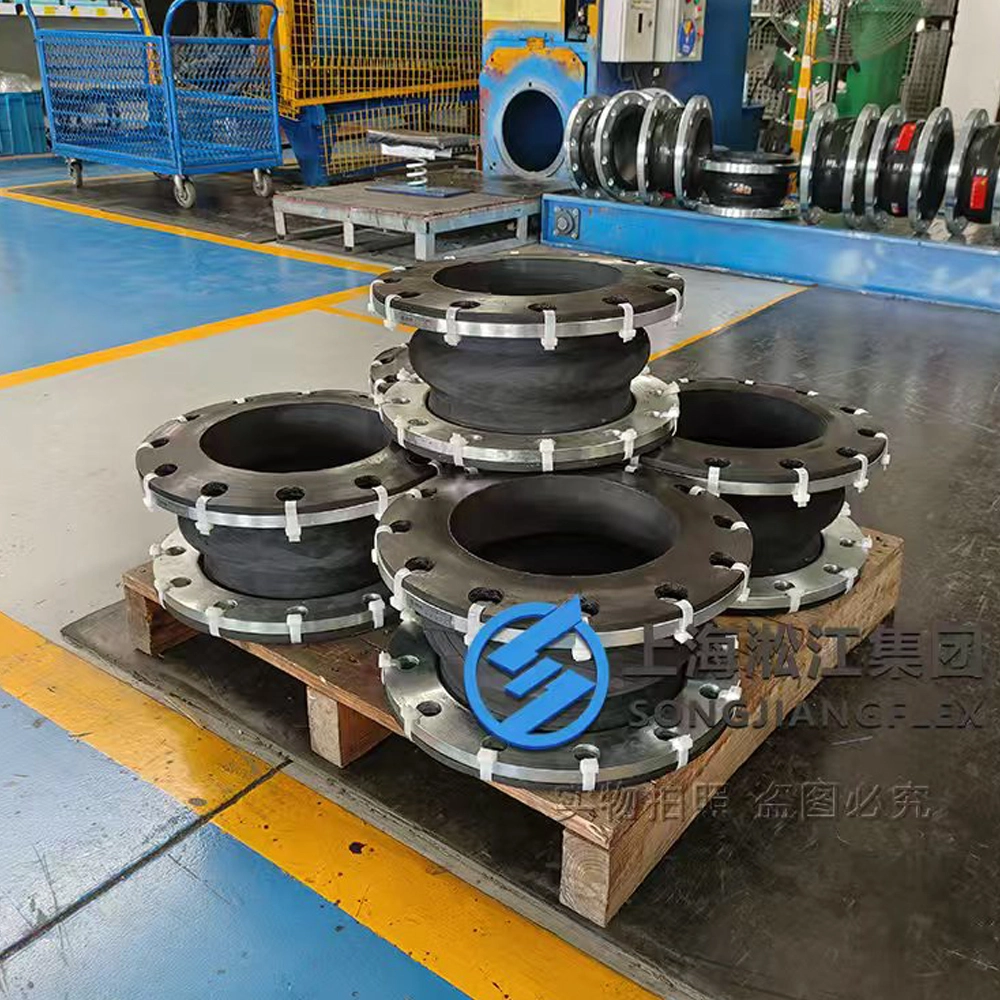
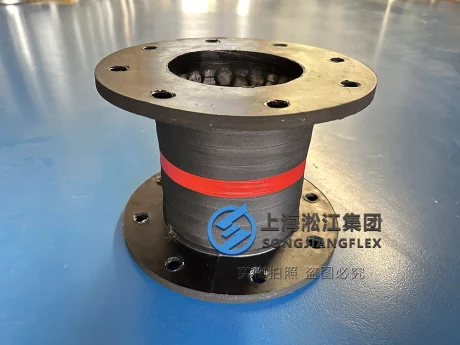
To bridge this durability gap without sacrificing the necessary structural flexibility, upgrading to an engineered ceramic lined rubber joint has shifted from an optional enhancement to a standard specification for high-wear piping matrices.
Why Elastomers Fail Where Technical Ceramics Excel
When a standard flexible rubber joint undergoes continuous exposure to dynamic slurry fluids, the failure mechanism is driven by direct kinetic energy transfer. High-velocity suspended solids deform the elastomer matrix, causing localized micro-tearing and frictional heat. Over a short operational window, this erosion thins the sacrificial rubber tube until the high-tensile fabric reinforcement layers are exposed, leading to localized blistering, delamination, and pressurized failure.
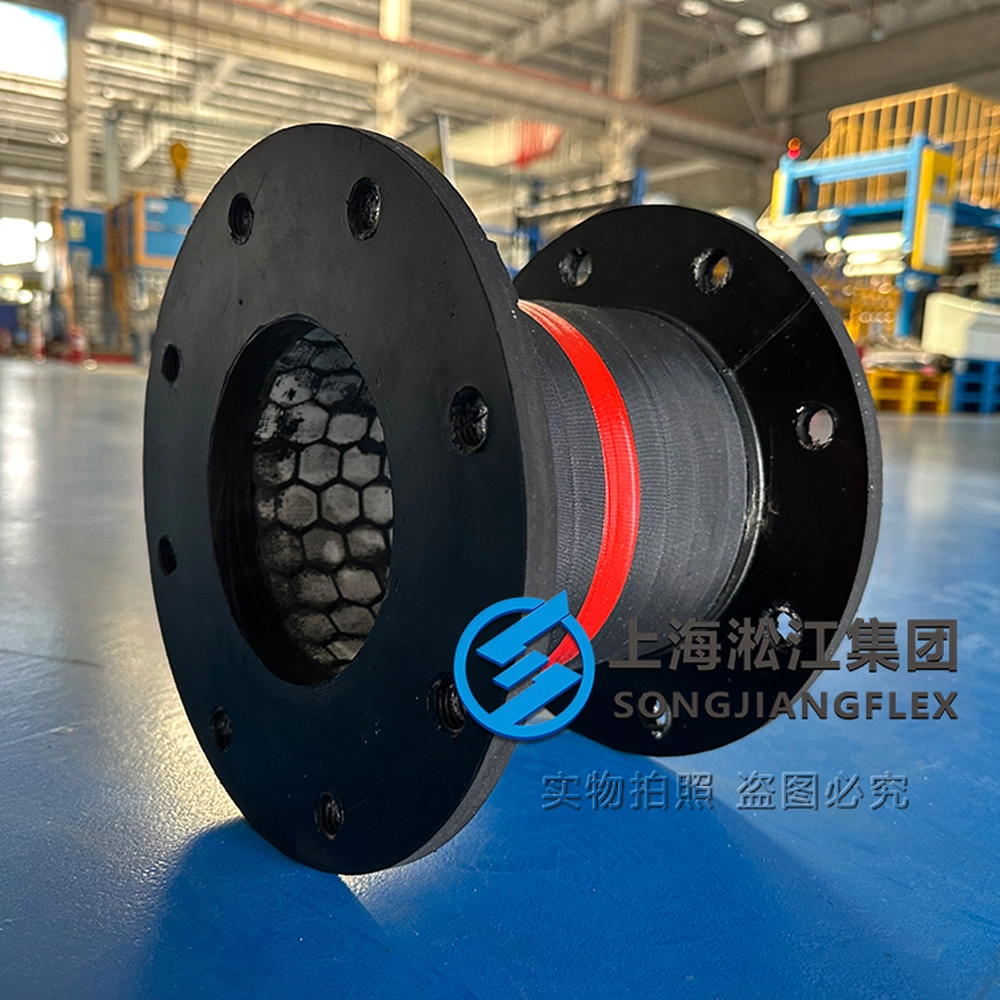
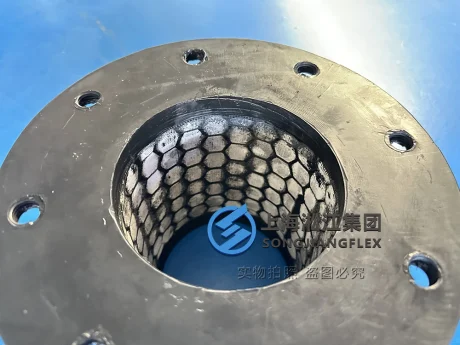
Integrating hexagonal or mosaic high-purity alumina (Al₂O₃) ceramic tiles into the internal fluid-facing bore completely alters this dynamic.
Technical ceramics exhibit extreme hardness (typically Mohs 9, surpassed only by diamond), providing unparalleled resistance to both sliding abrasion and direct impact erosion. By vulcanizing these rigid ceramic tiles directly into a flexible elastomeric backing, the component combines the mechanical toughness of ceramic armor with the displacement-absorbing capabilities of a standard rubber joint.
Core Engineering Features and Advantages
A precision-engineered ceramic lined rubber joint delivers specific mechanical advantages over generic flexible connectors:
- Hexagonal Chainmail Geometry: Rather than using solid, non-yielding rings, the inner diameter is lined with interlocking hexagonal tiles. The micro-gaps between individual tiles allow the underlying rubber bellows to flex, bend, and compress freely, absorbing pump vibration and thermal growth without putting stress on the ceramic bond.
- Zero-Exposure Gaps: The interlocking matrix ensures that even during full lateral deflection or axial compression, there is no direct line-of-sight path for the abrasive slurry to bypass the ceramic and contact the rubber base.
- Vibration and Mechanical Shock Absorption: The vulcanized elastomer layer acts as a shock-absorbing cushion behind each ceramic tile. This backing layer neutralizes high-impact energy from large solids, preventing the brittle ceramic material from cracking under severe mechanical shock.
- Maintained Hydraulic Profile: The smooth internal surface of the alumina lining minimizes boundary layer turbulence, reducing localized erosion downstream and preventing solids from settling inside the corrugation arch of the rubber joint.
Global Application Matrix: Target Industries and Severe Media
The deployment of a ceramic lined rubber expansion joint is essential across a wide spectrum of severe-service industrial piping networks where standard rubber joint elements fail prematurely:
1. Mining and Mineral Processing
- Target Media: Iron ore tailings, copper concentrate slurry, gold mine backfill, bauxite slurries, and hydrocyclone underflow/overflow streams.
- Operational Challenge: Coarse, heavy mineral solids moving at high velocities create extreme continuous scraping action that cuts open unlined flexible sleeves.
2. Coal-Fired Power Generation
- Target Media: Bottom ash slurry, fly ash disposal lines, and limestone-gypsum slurry in Wet Flue Gas Desulfurization (FGD) systems.
- Operational Challenge: Bottom ash consists of highly irregular, razor-sharp glassy vitrified particles that act like sandpaper against the piping components.
3. Cement and Aggregate Plants
- Target Media: Raw meal slurry, wet silica sand, crushed limestone feeds, and dry pneumatic cement transport.
- Operational Challenge: High solid-loading combined with high system pressures accelerates the mechanical wear on downstream pump discharge points.
4. Dredging and Marine Civil Engineering
- Target Media: Coral sand, coarse gravel, silt-laden seawater, and dredged harbor spoils.
- Operational Challenge: Large, unpredictable solid inclusions pass through flexible hull-to-shore lines, risking catastrophic tearing of standard rubber bellows.
5. Steel and Heavy Metallurgy
- Target Media: Blast furnace slag granulation water, scale pit pumping lines, and coke plant wastewater slurries.
- Operational Challenge: High operating temperatures combined with suspended metallic scales quickly puncture generic flexible connections.
Engineering Selection Summary
For plant managers and piping engineers looking to minimize unplanned downtime, evaluating standard flexible connections based solely on upfront component cost is a critical miscalculation. A ceramic lined rubber joint represents a permanent engineering upgrade for severe slurry loops. By containing the fluid via high-purity technical ceramics and absorbing mechanical displacement via structural vulcanized rubber, this hybrid component extends service lifespans by up to 5 to 10 times compared to unlined alternatives, securing substantial long-term maintenance savings.