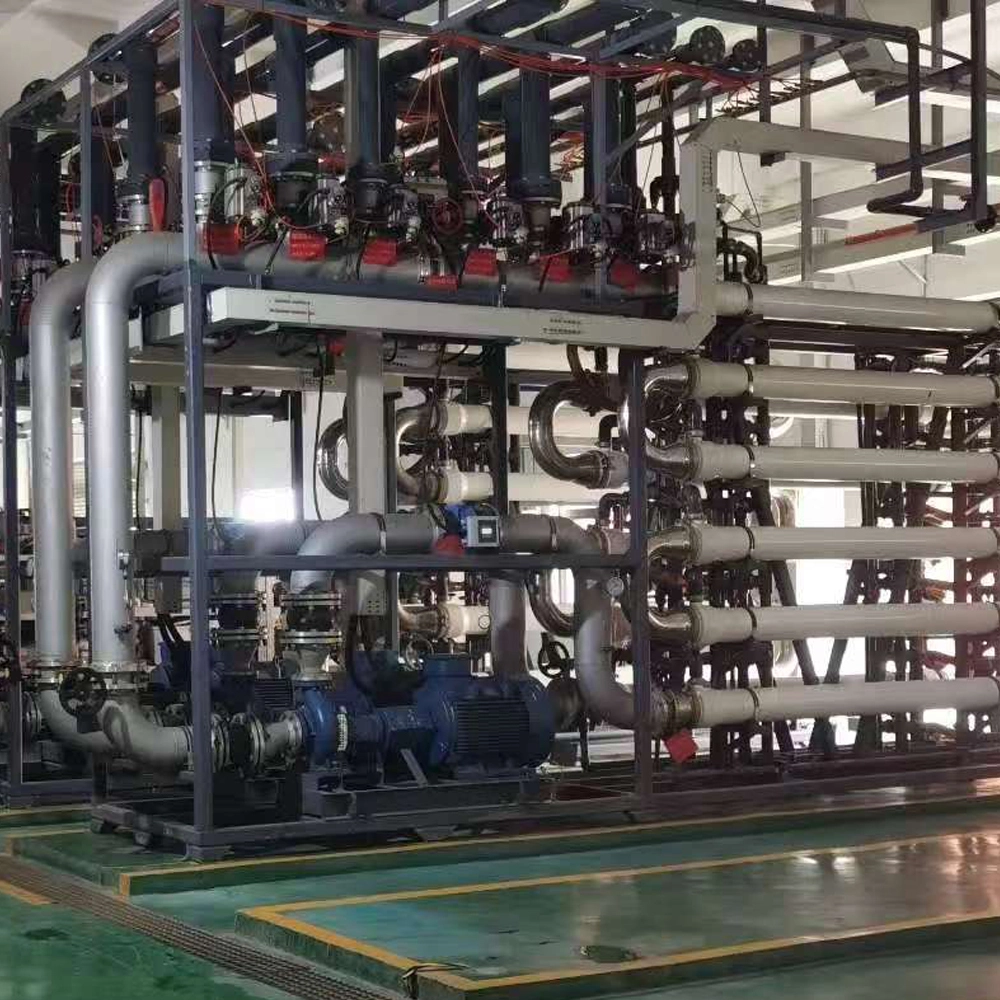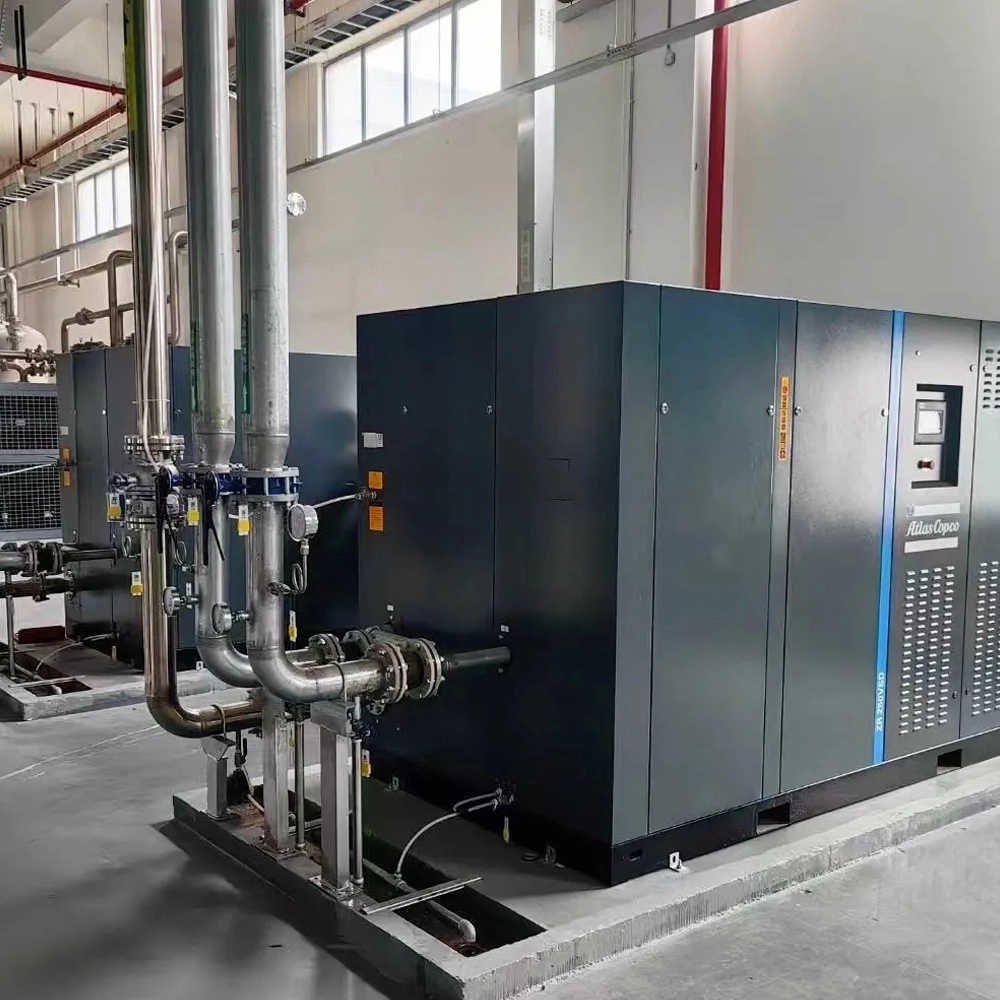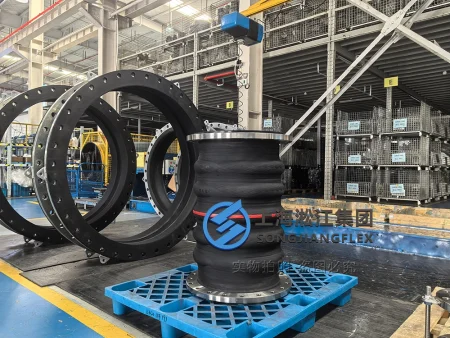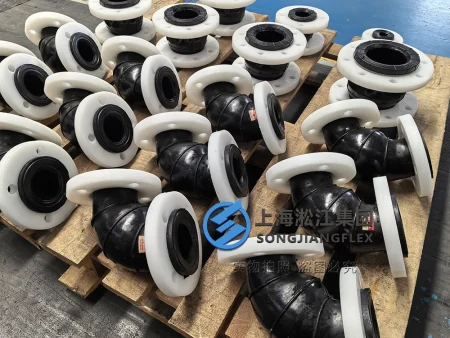
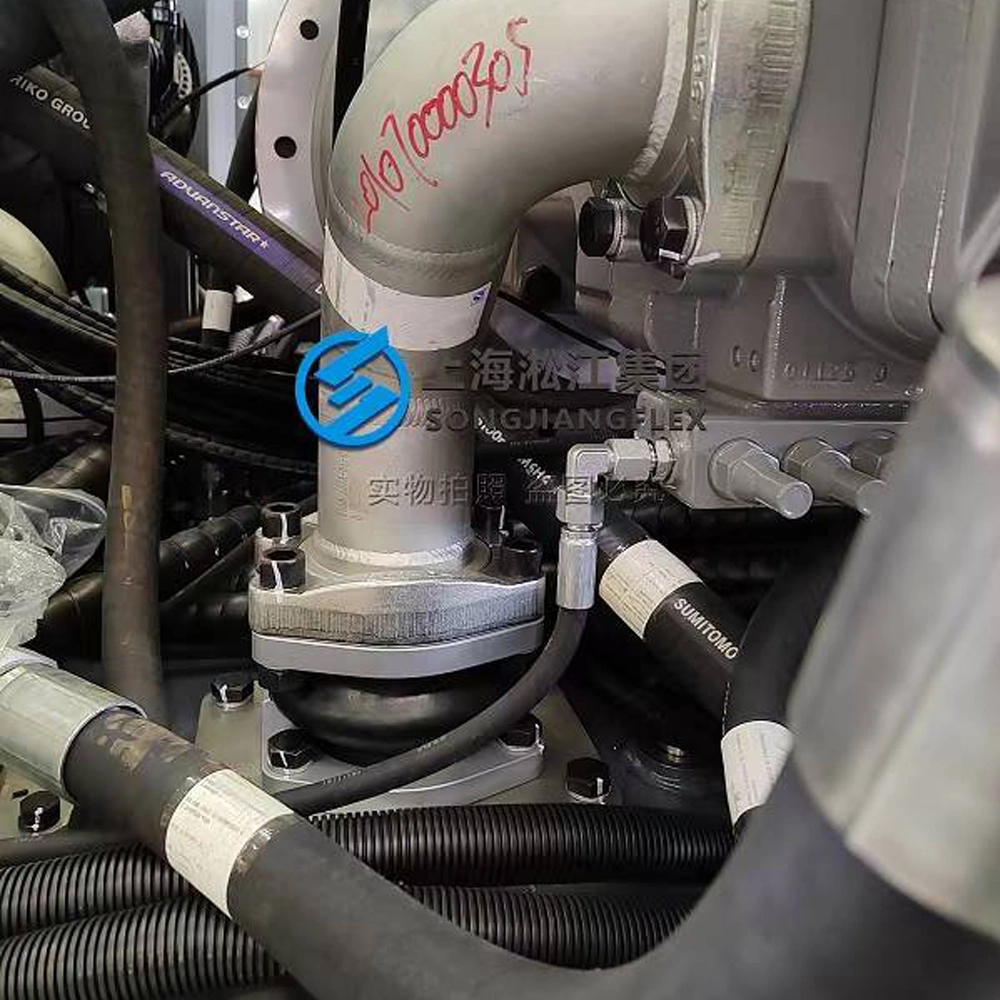
In heavy-duty industrial hydraulic power units—such as those driving automated die-casting machines, plastic injection molding equipment, and large chamber filter presses—the pump inlet configuration is a critical design interface. While high-pressure discharge circuits depend on rigid steel piping or heavy wire-braided hoses, the intake manifold requires specialized flexible connections.
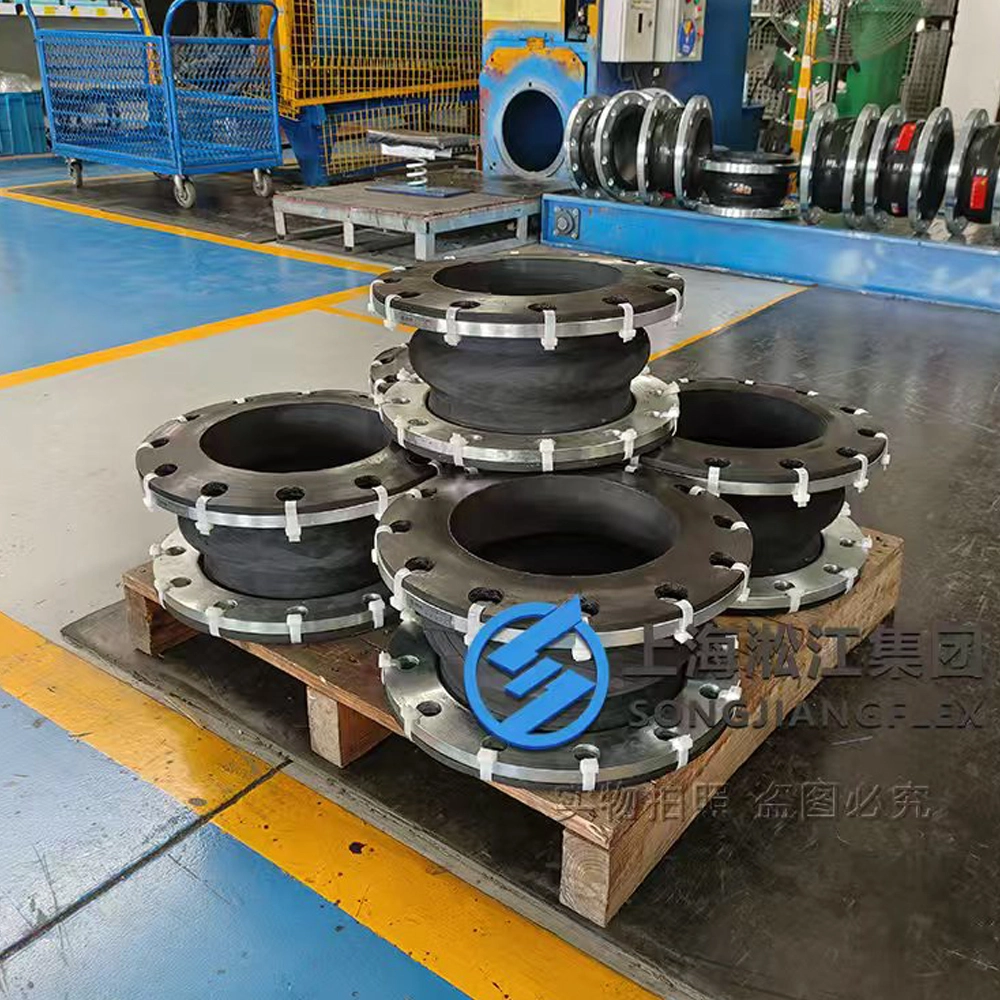
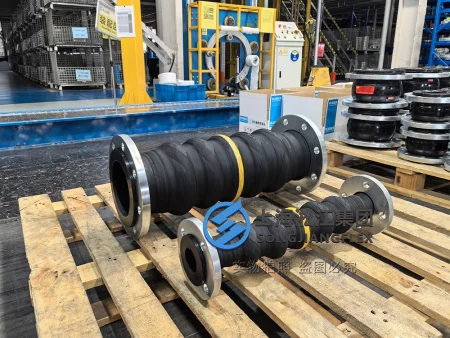
These components function as critical compensators for hydraulic tanks and suction lines, absorbing high-frequency pump vibrations, preventing mechanical stress on the pump housing, and compensating for thermal-induced structural displacement.
Historically, fluid power engineers have specified premium European components, including Austrian K 16S series compensators, to protect these circuits. However, managing supply chains for imported specialized parts often introduces long maintenance lead times.
Evaluating the physical and chemical mechanics of these connections allows facility engineers to implement interchangeable, locally stocked SAE flange rubber expansion joint solutions without compromising system reliability.
Mitigating Low-Pressure Vacuum Risks in Hydraulic Intake Circuits
Pumping manifolds in heavy industrial machinery operate under strict hydraulic limits. The suction line typically experiences low-pressure environments, running under full or partial vacuum conditions where operating pressures remain strictly below 0.1 MPa.
Elastomeric Swelling and Softening: Standard rubber compounds lack chemical compatibility with mineral-based hydraulic oils, flame-resistant phosphate ester fluids, or water-glycol mixtures. Continuous contact triggers rapid elastomer swelling, blistering, and structural softening, leading to catastrophic liner rupture.
Vacuum Collapse (Sucking Flat): If the flexible bellows lack sufficient structural rigidity under sub-atmospheric conditions, the negative pressure collapses the inner core. This restricts fluid flow, induces severe pump cavitation, and destroys downstream hydraulic pumps within minutes.
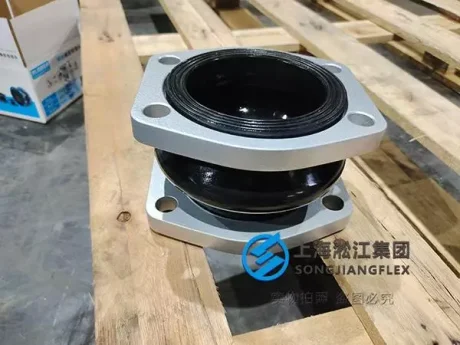
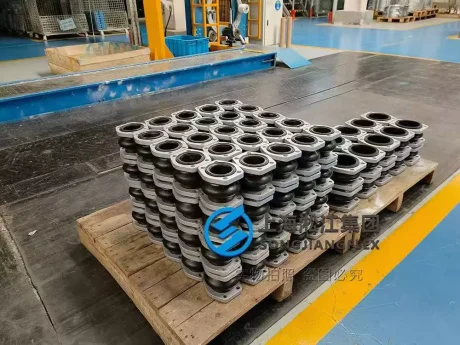
Technical Analysis of the High-Acrylonitrile NBR Solution
To function as a seamless interchangeable alternative for international standards, specialized hydraulic-series rubber joint components must integrate specific material and geometric configurations:
1. Custom-Compounded High-Acrylonitrile NBR Core
The fluid-facing inner liner must be synthesized from a specialized Acrylonitrile Butadiene Rubber (NBR) matrix characterized by elevated acrylonitrile content. This specific molecular structure provides exceptional volume stability and resistance to oil permeation. The compound retains its tensile profile and durometer hardness under continuous exposure to hydraulic fluids up to 80°C, completely eliminating the swelling risks common to standard commercial rubber elements.
2. High-Strength One-Piece SAE Aluminum Alloy Flange Interface
Weight management, rigid sealing, and structural alignment are critical at the pump inlet. The optimized configuration utilizes standard four-bolt (rhombus/rectangular) one-piece solid backing flanges machined from high-strength aluminum alloy.
Enhanced Rigidity Over Split Designs: The solid, one-piece flange design provides superior structural integrity and uniform bolt-load distribution across the rubber flange face. It eliminates any potential shifting or misalignment associated with two-piece split flanges, ensuring zero drop in sealing pressure during high-vibration machine cycles.
Weight Reduction: The aluminum construction significantly lowers the overhanging load on the pump housing compared to traditional carbon steel flanges, minimizing structural stress on pump components and gaskets.
Standard Compatibility: The flange bolt circles conform exactly to standard SAE code specifications, enabling direct bolt-on installation as a precise alternative to premium European hydraulic system connectors.
3. Vacuum-Stabilized Bellows Reinforcement
Despite operating at working pressures under 0.1 MPa, the underlying fabric reinforcement and steel wire cord layers must be engineered with enhanced radial stiffness. This internal bracing prevents the bellows from pinching or flattening under suction-stroke vacuum loads, ensuring a perfectly stable cross-sectional area for unrestricted oil delivery from the fluid reservoir.
Key Industrial Application Matrices
The implementation of oil-resistant NBR rubber joints is highly standardized across the following low-pressure hydraulic manifolds:
Die-Casting Machines: Absorbs the heavy hydraulic shock and cycling stresses generated during high-speed injection phases.
Plastic Injection Molding Equipment: Isolates clamping manifold vibration from the main hydraulic reservoir.
Industrial Chamber Filter Presses: Manages hydraulic cylinder return lines and feed-pump suction points where oil contamination must be avoided.