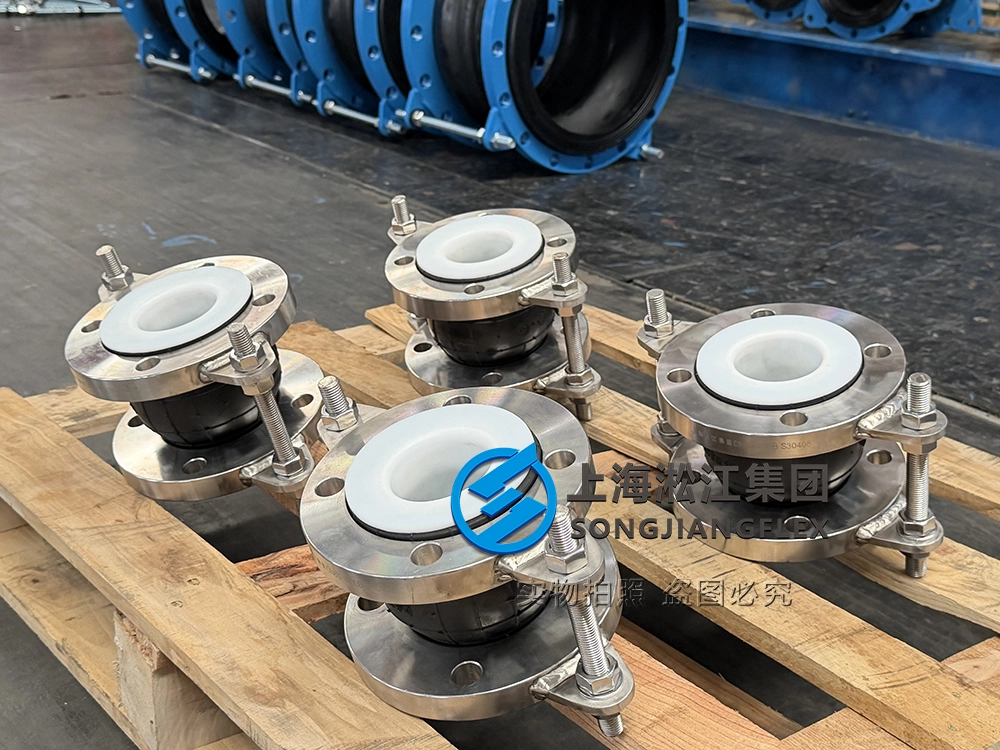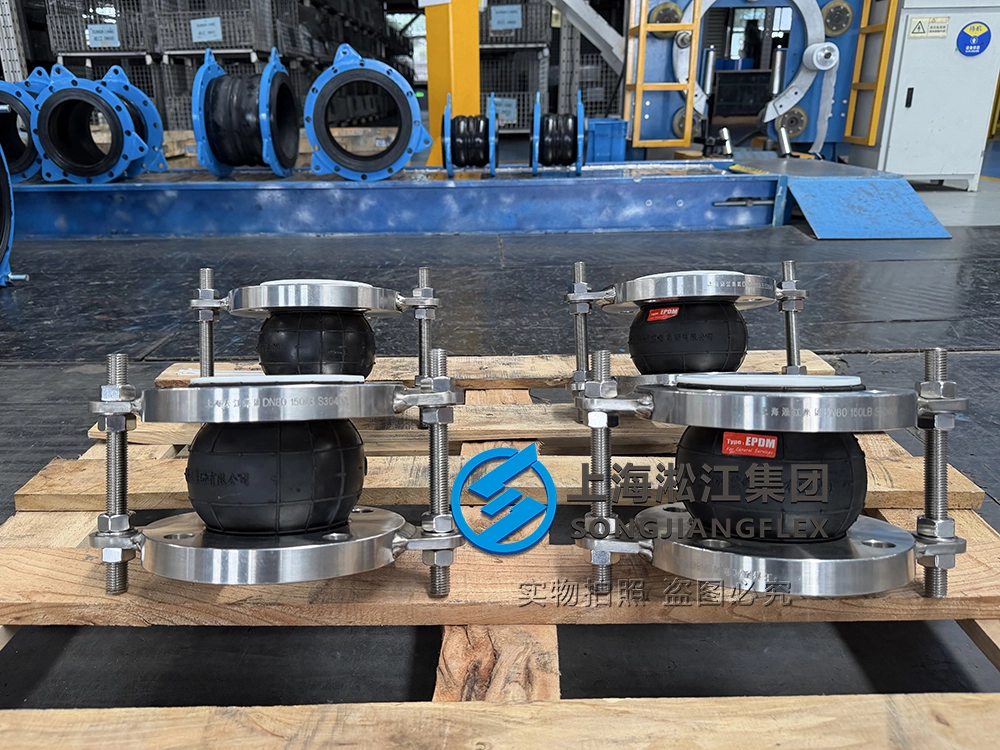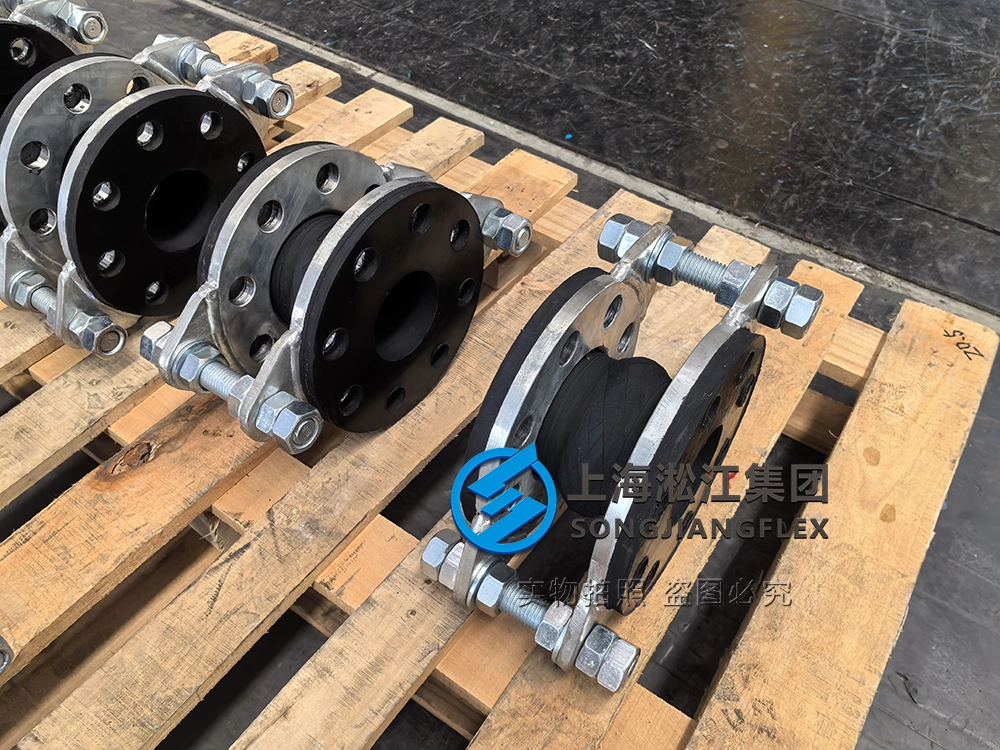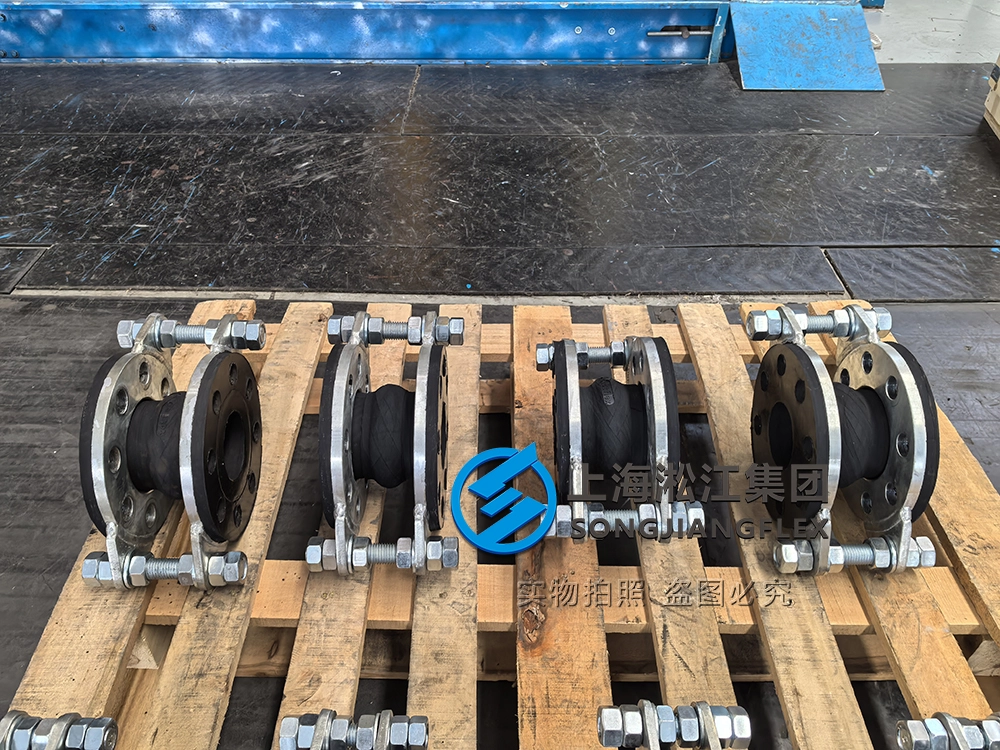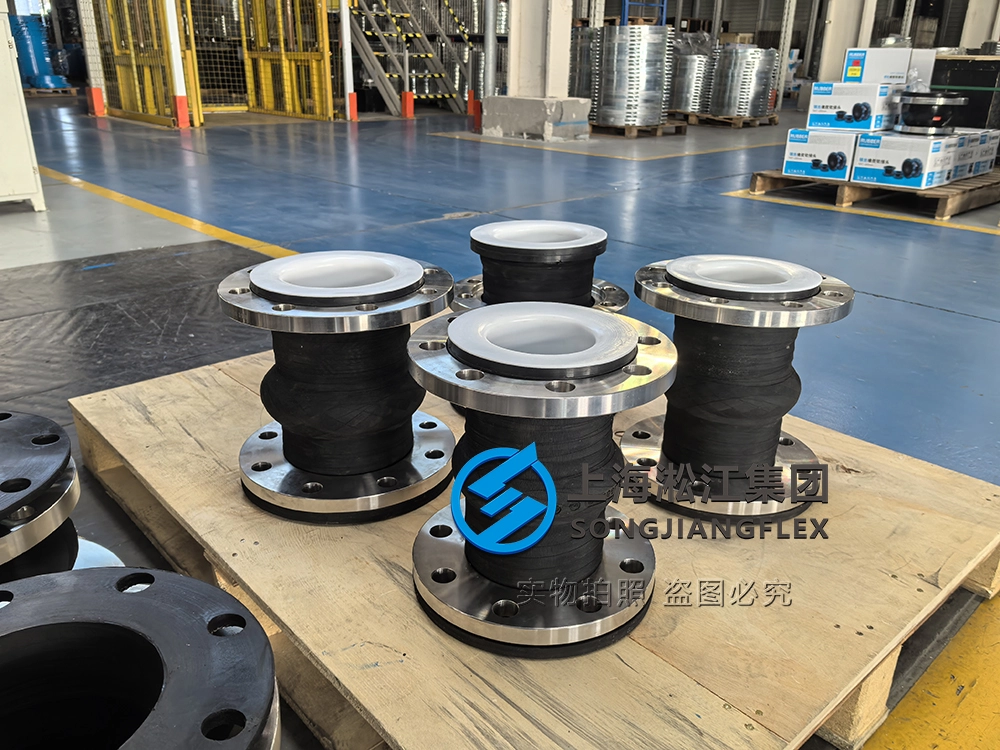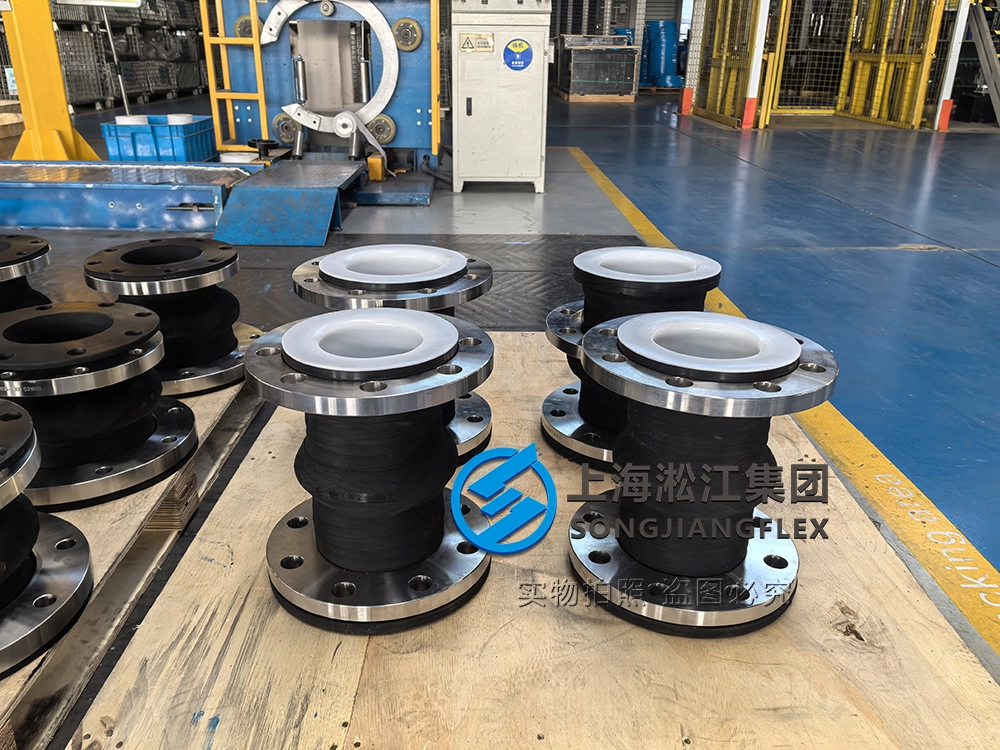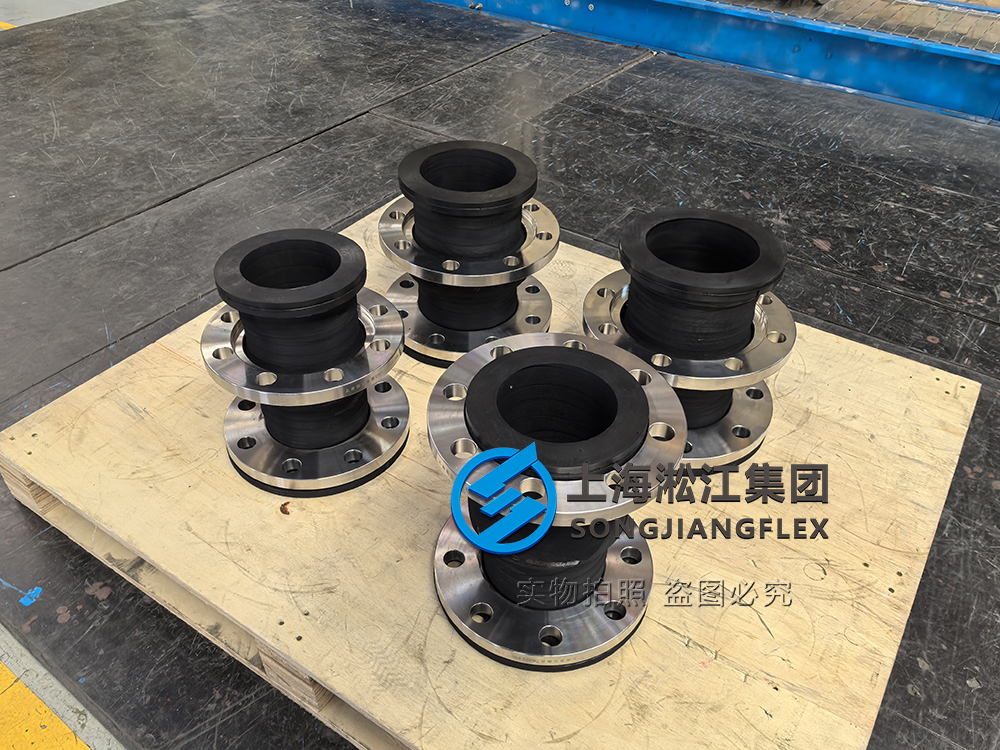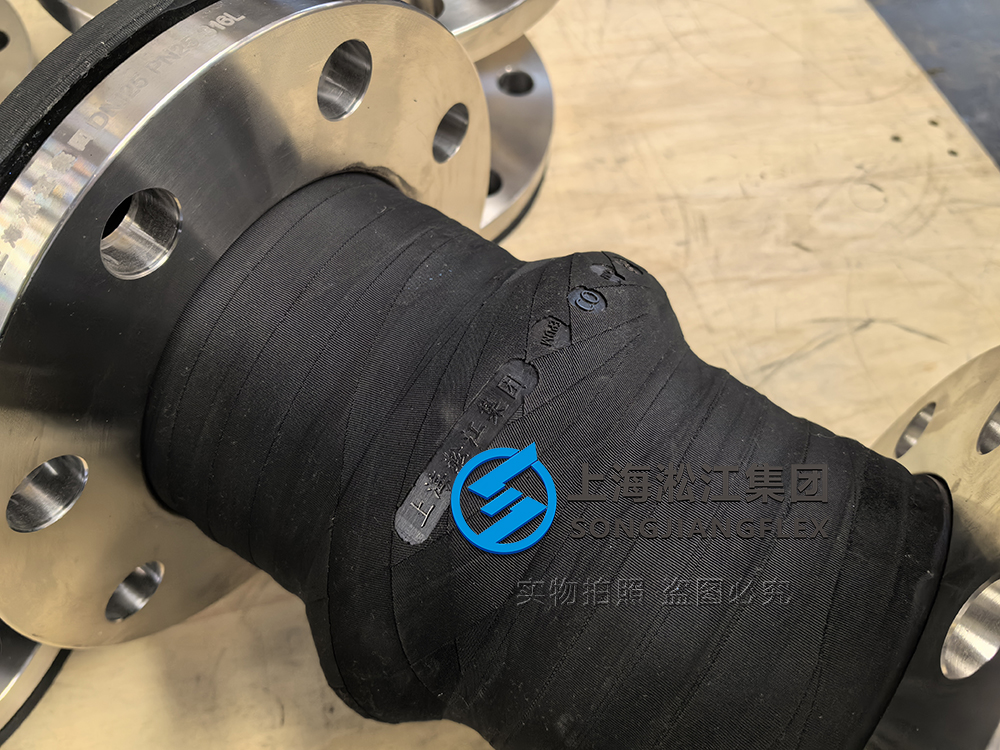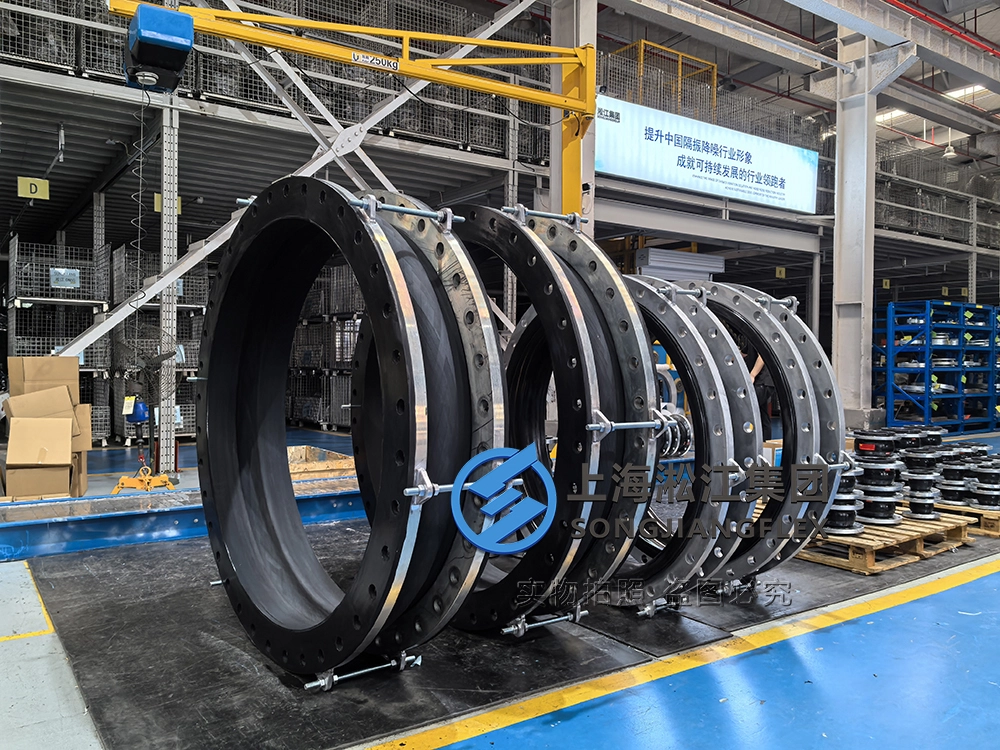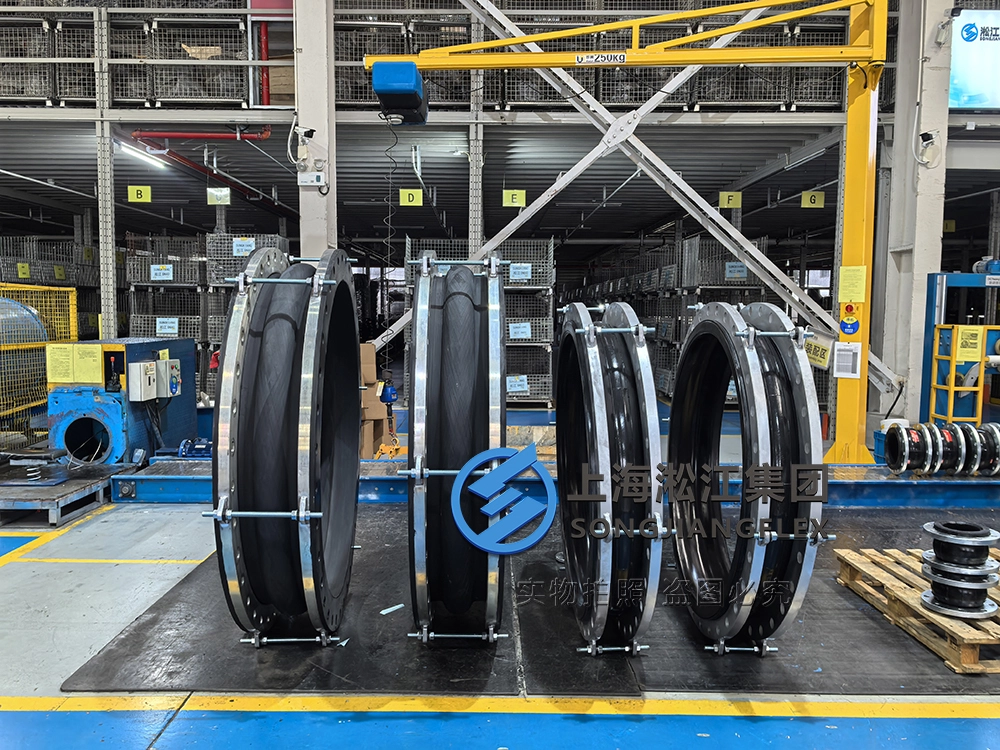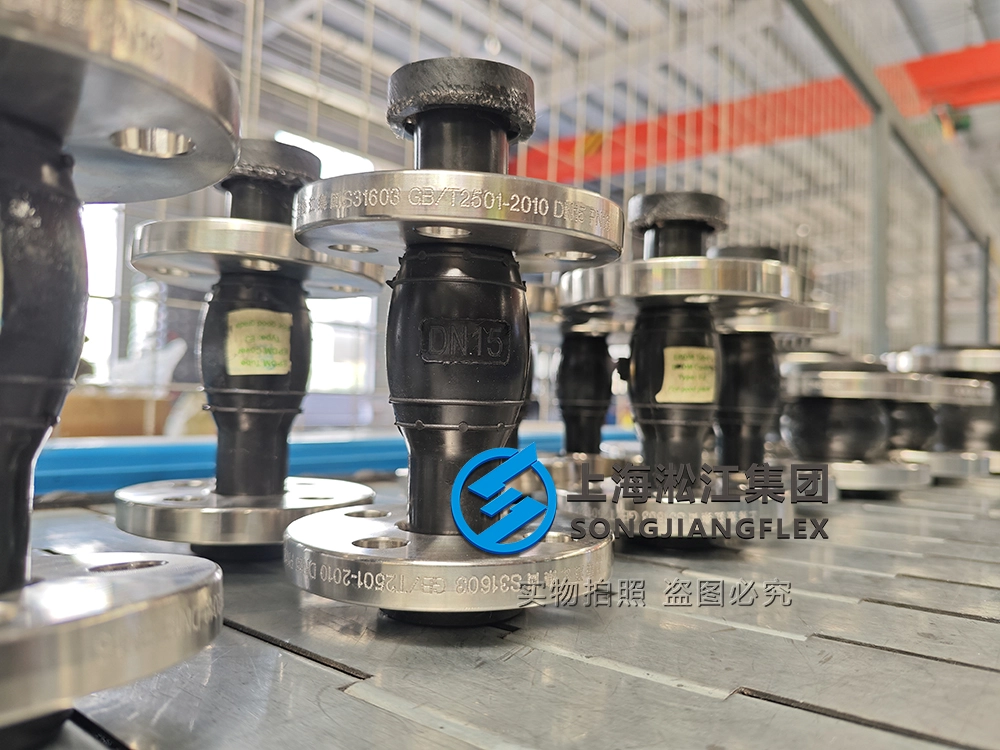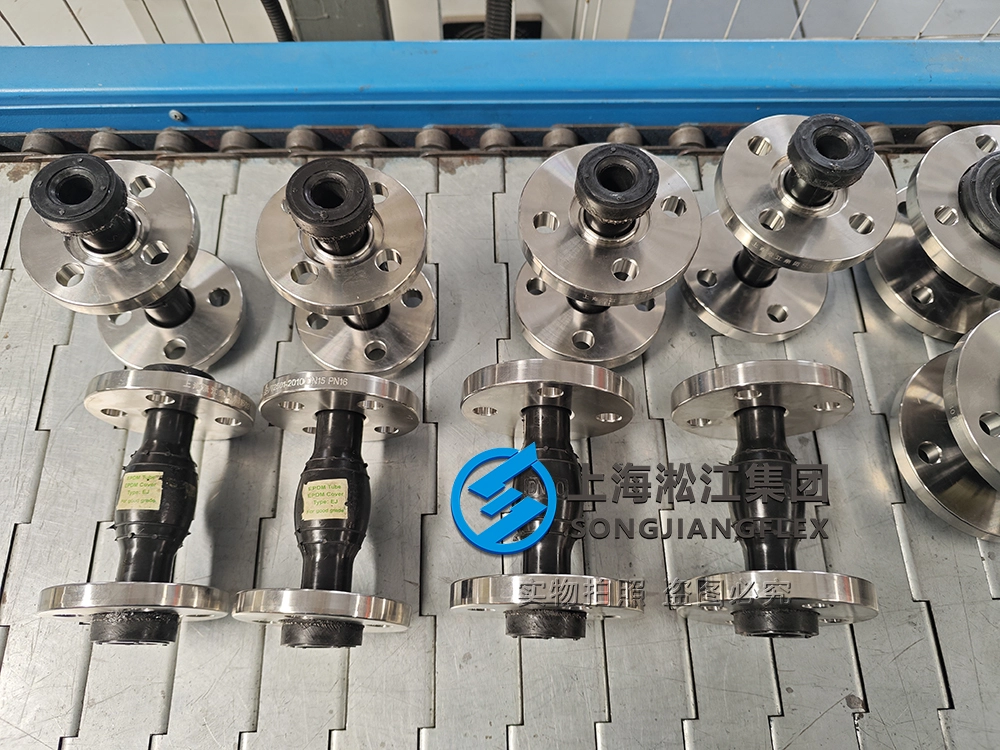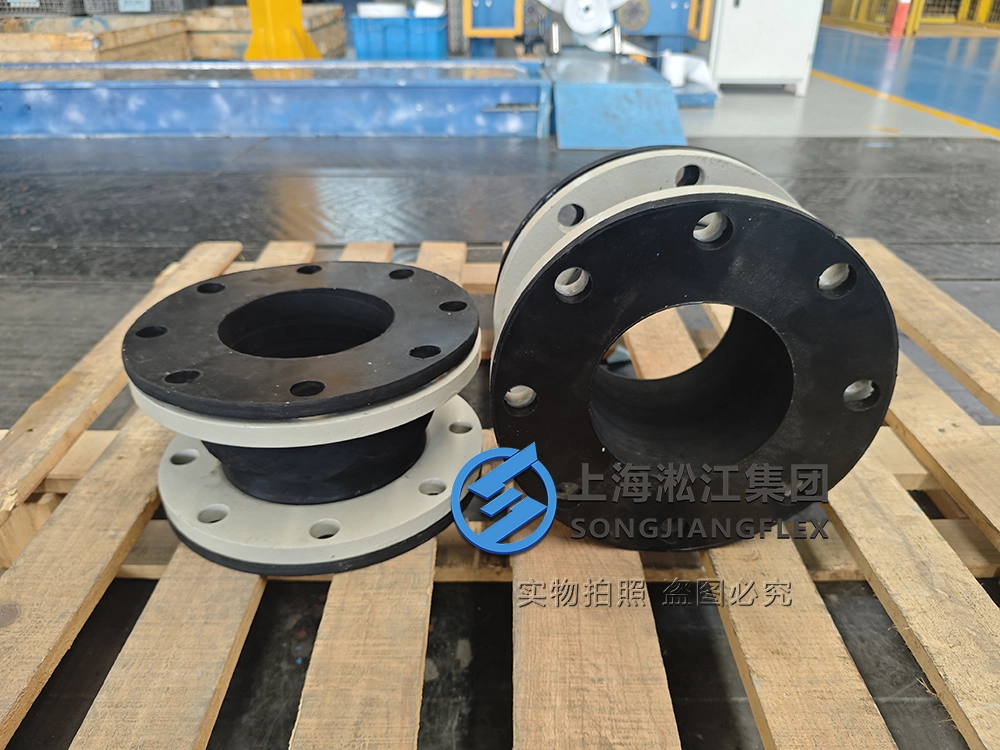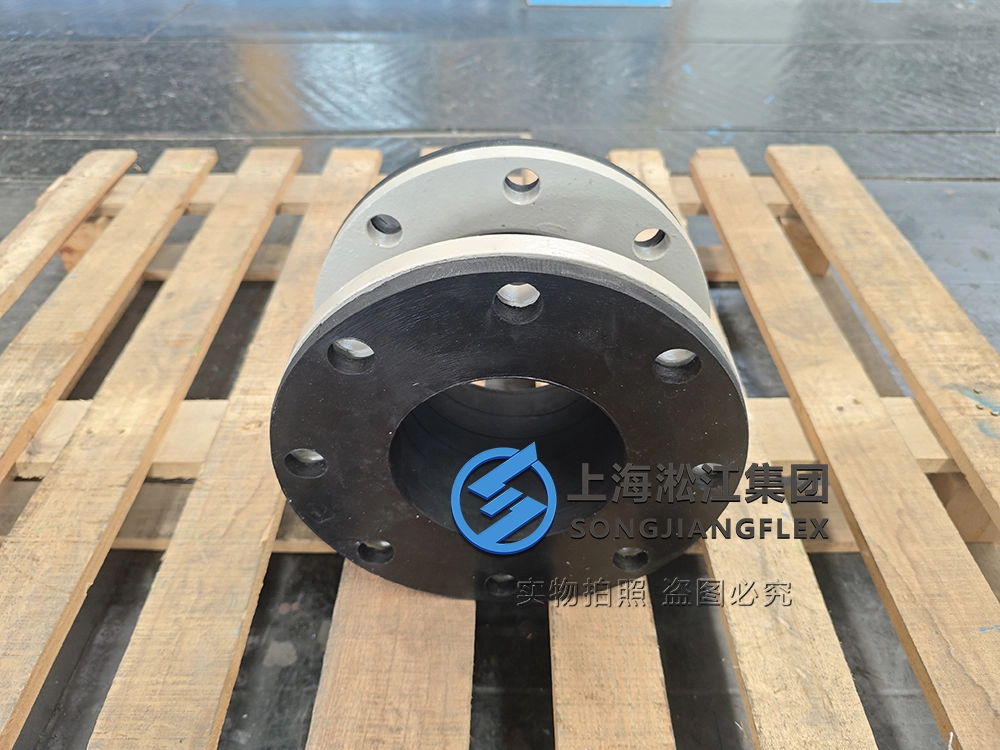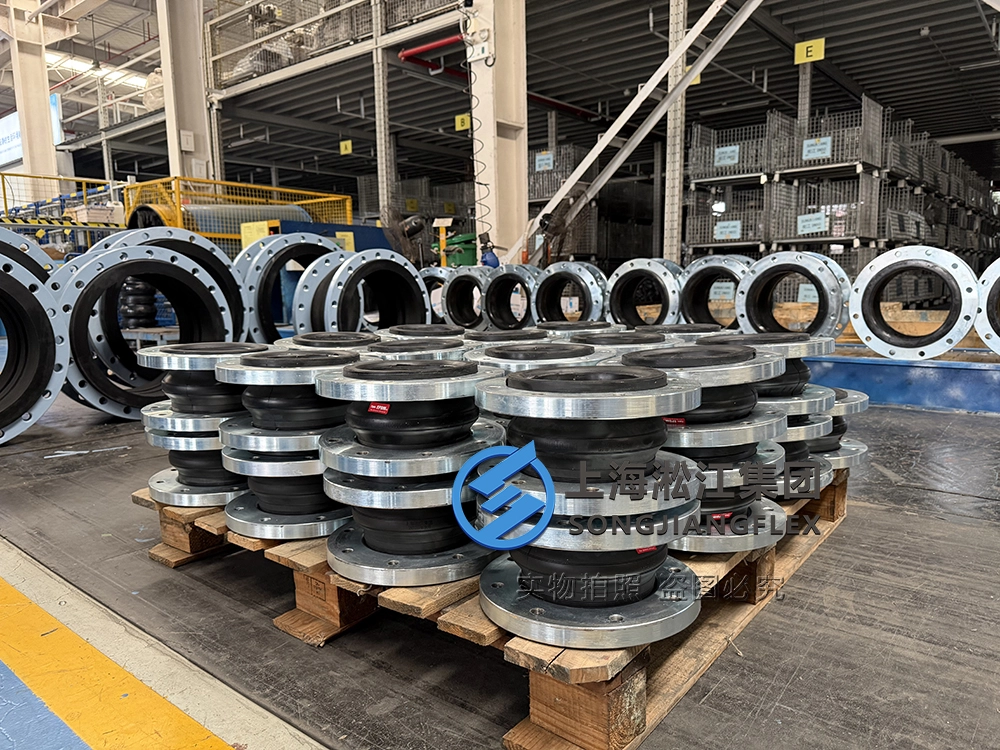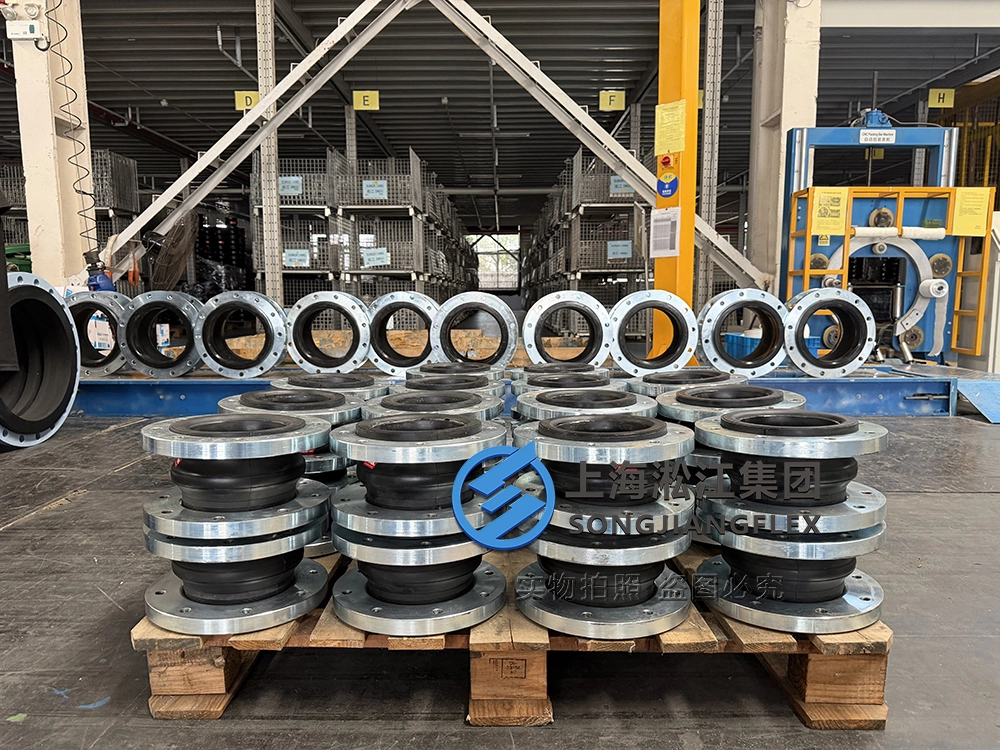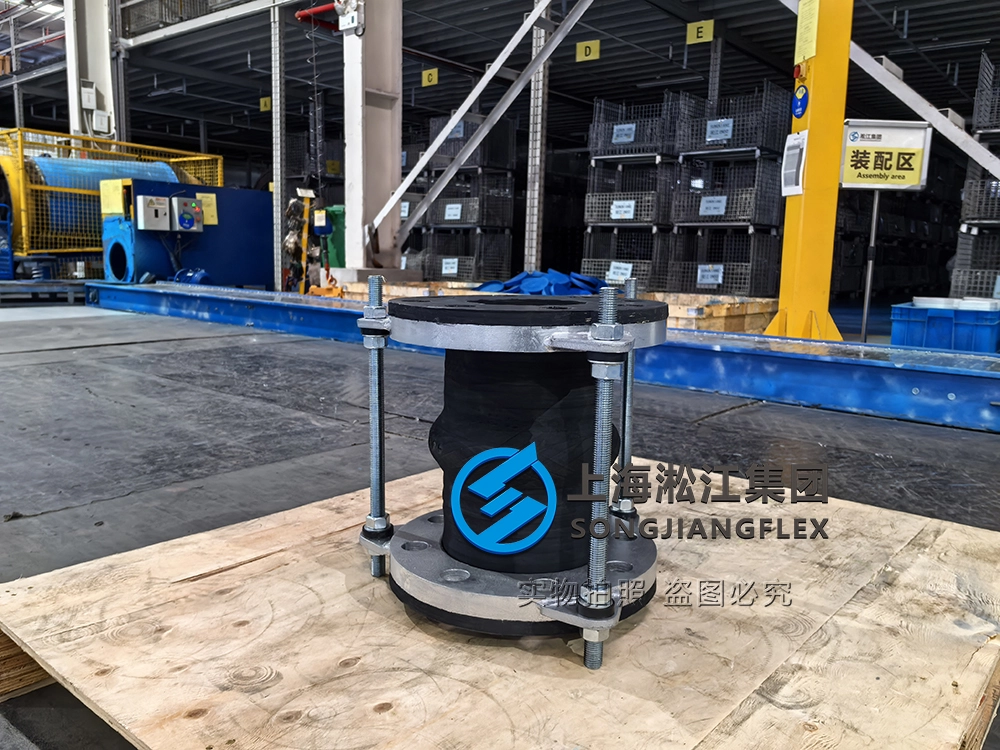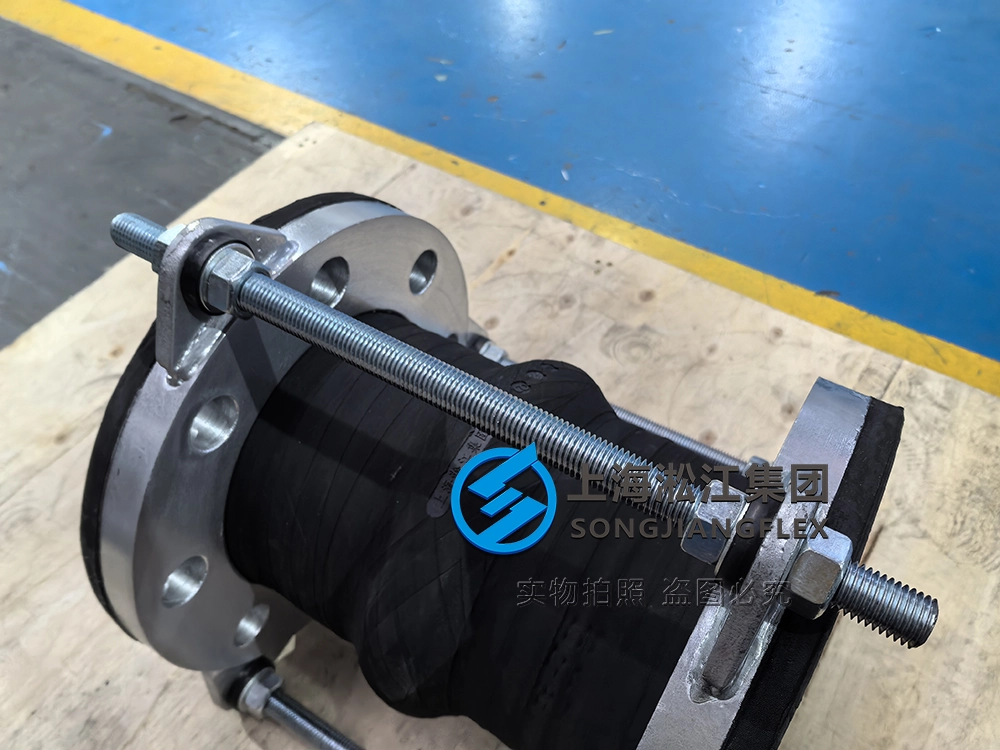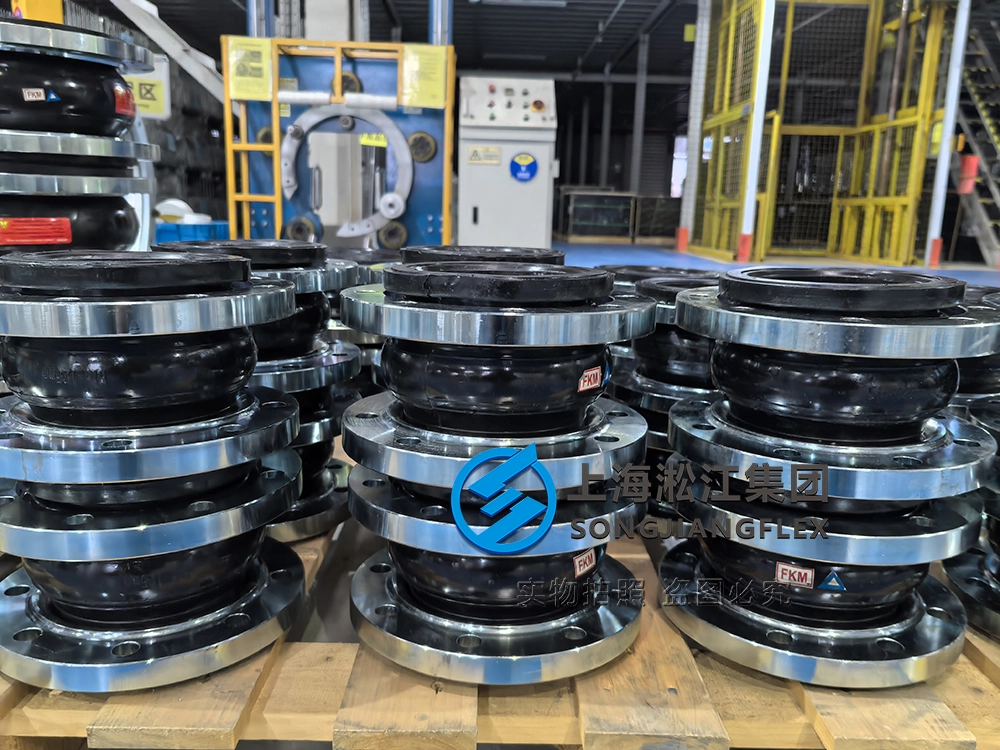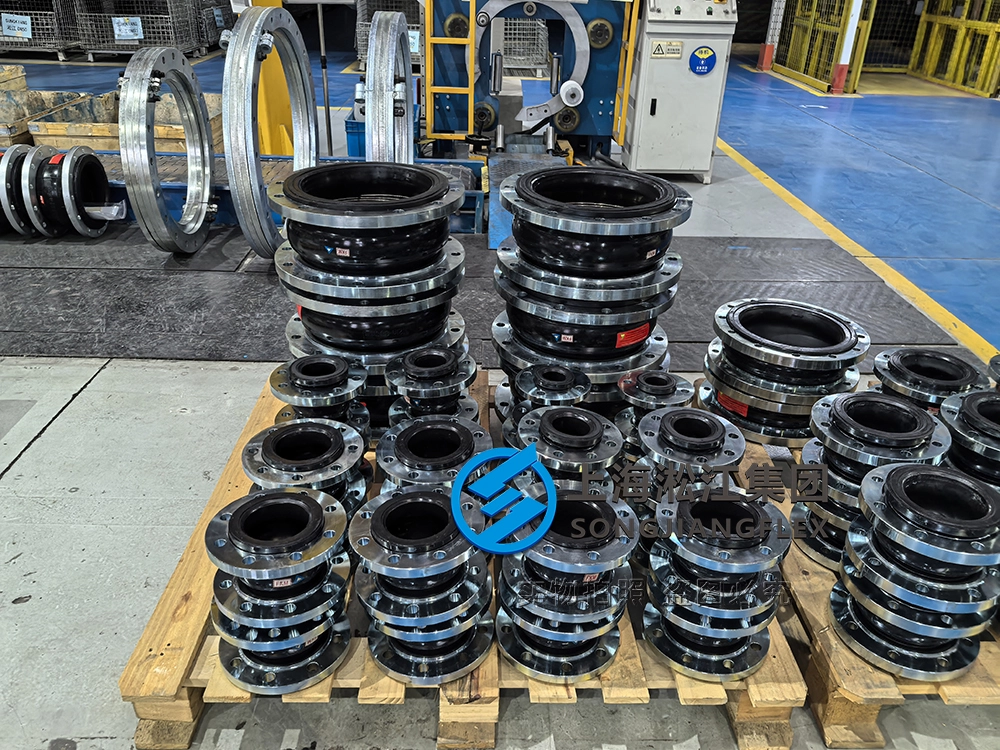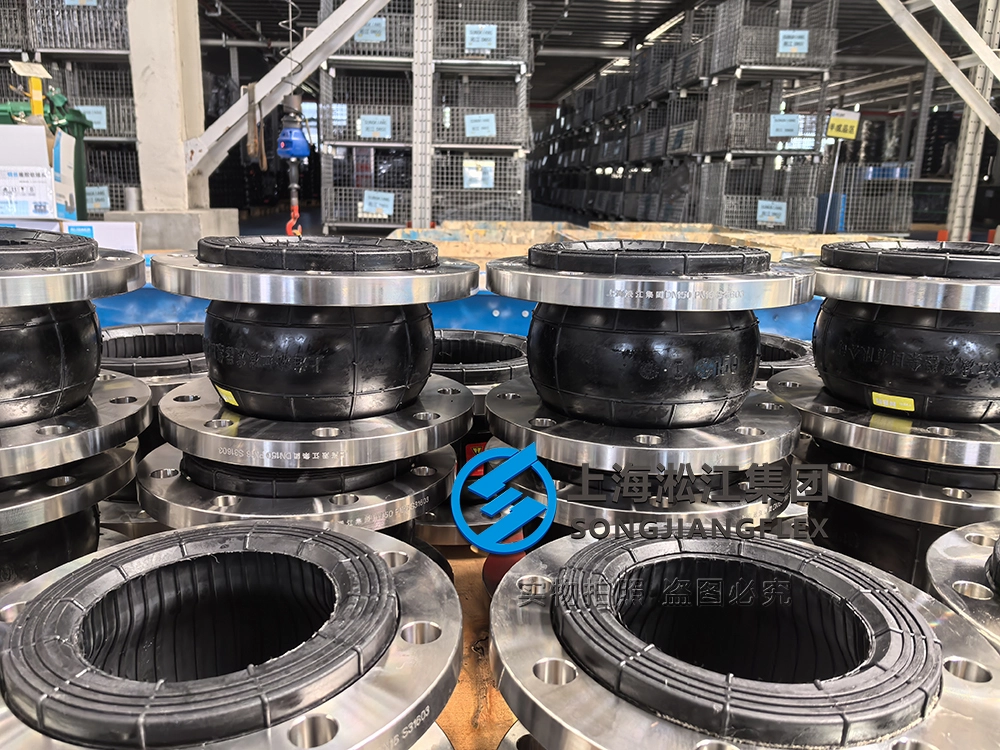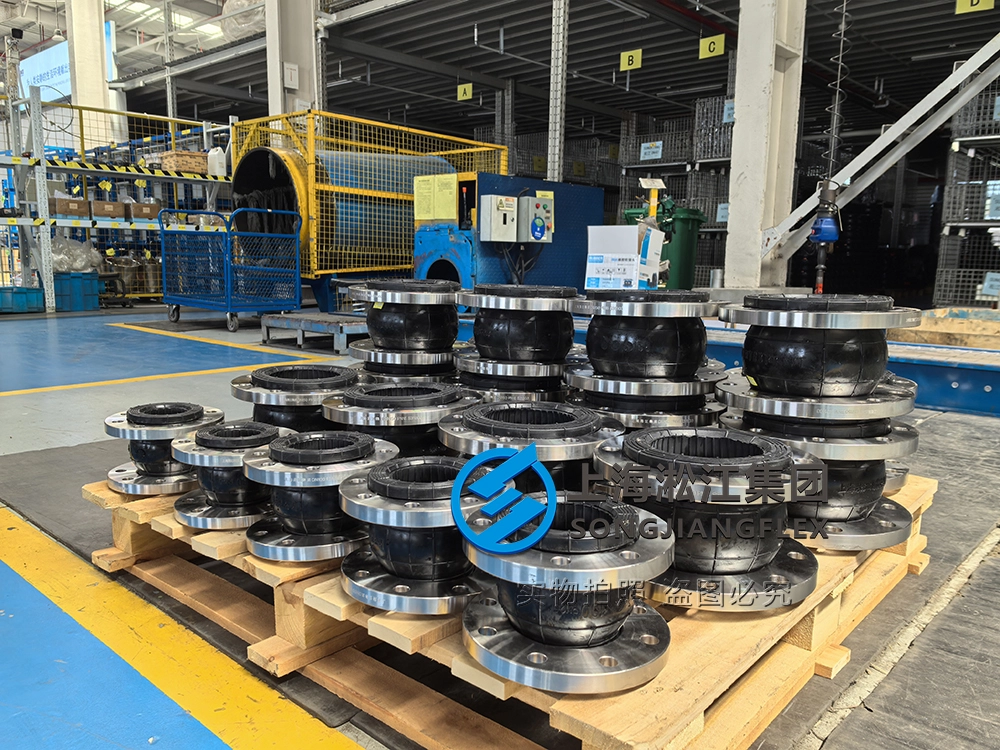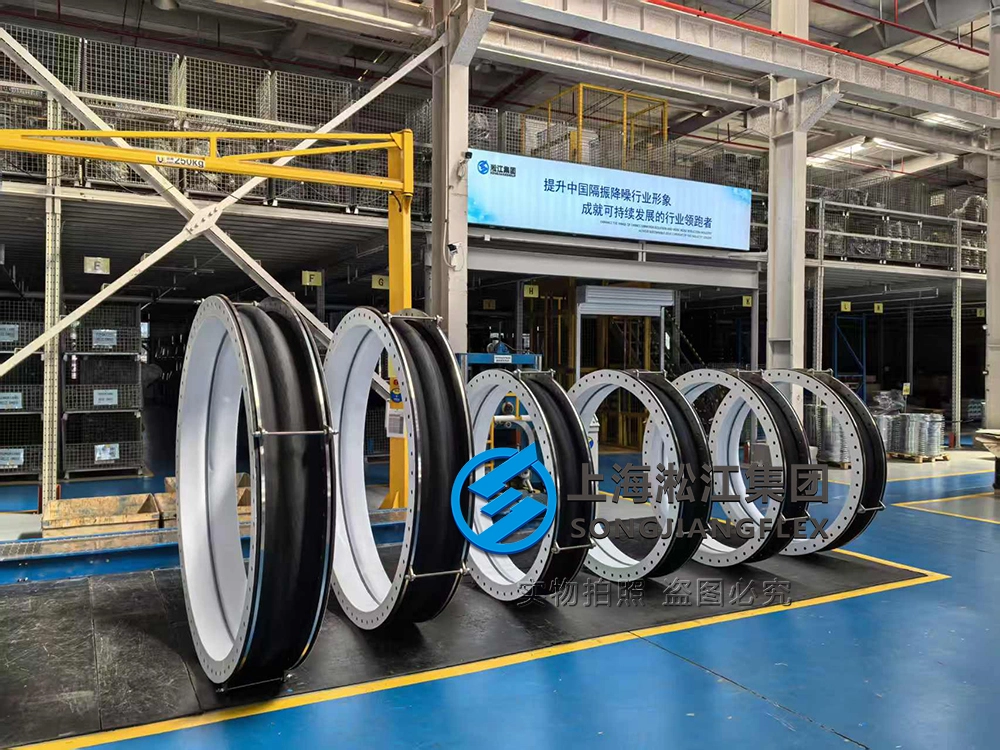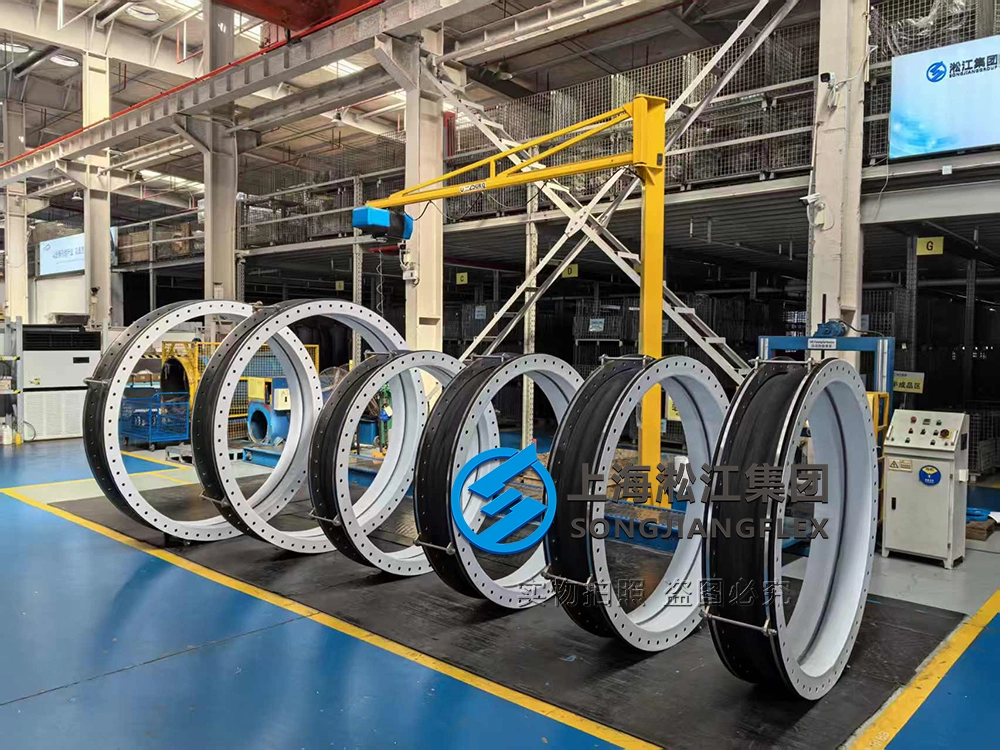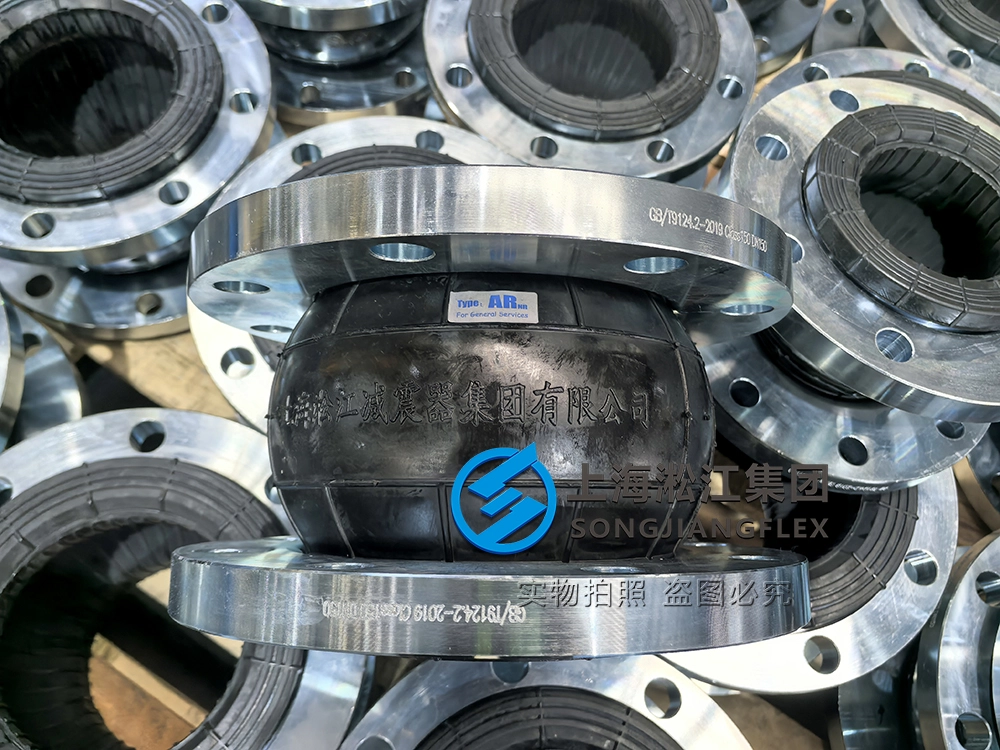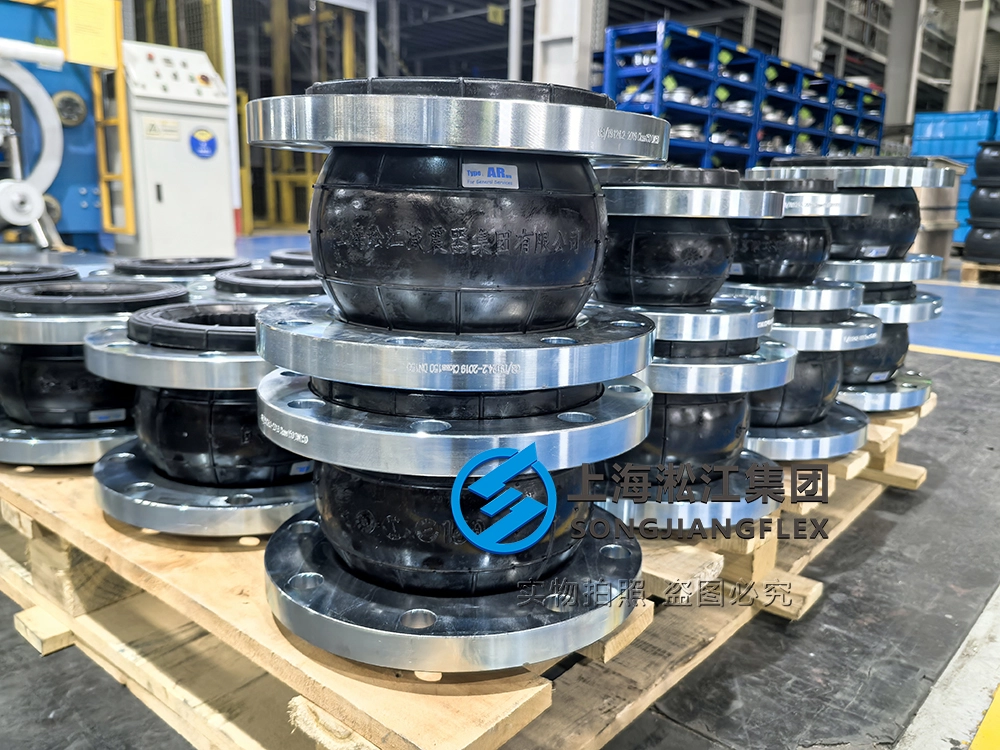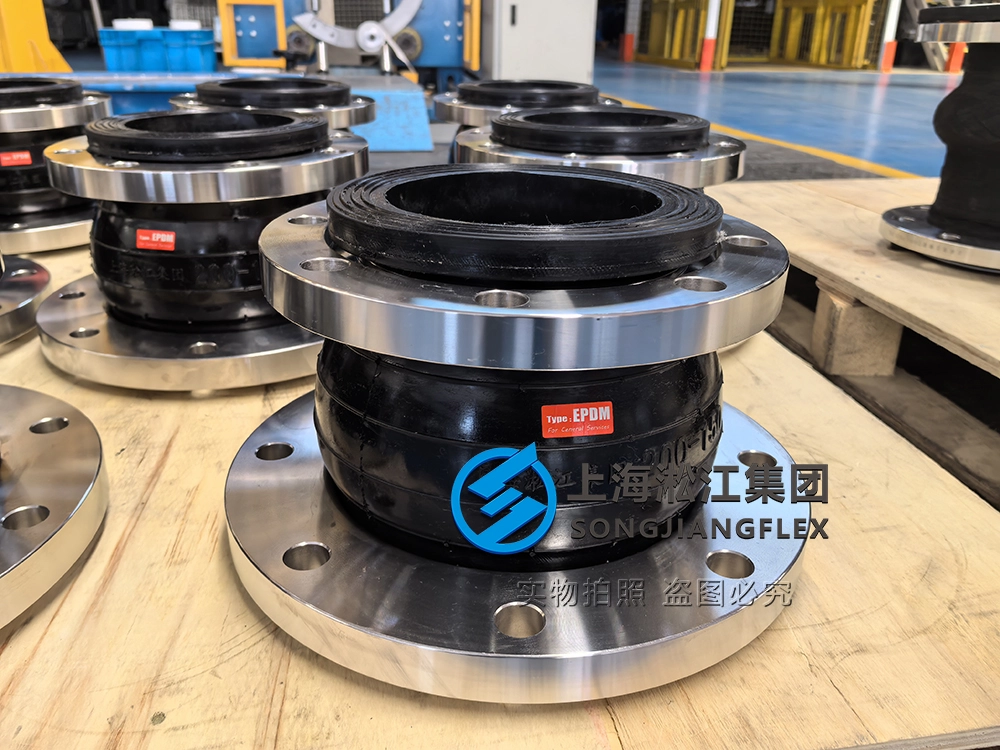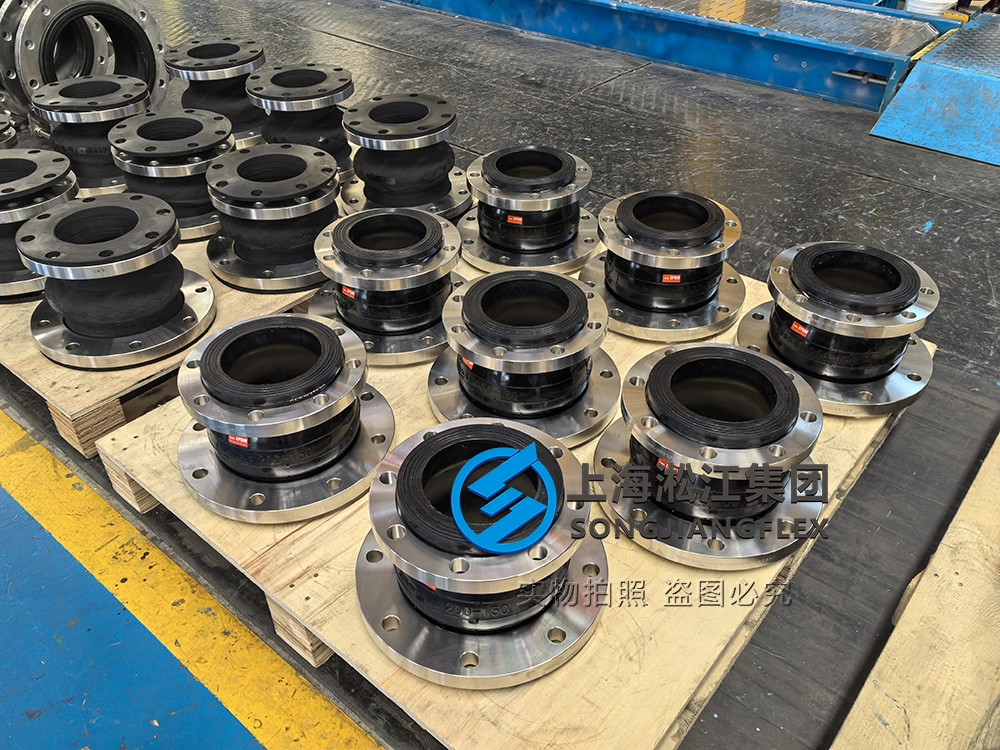
Engineered to Solve the Toughest Piping Challenges
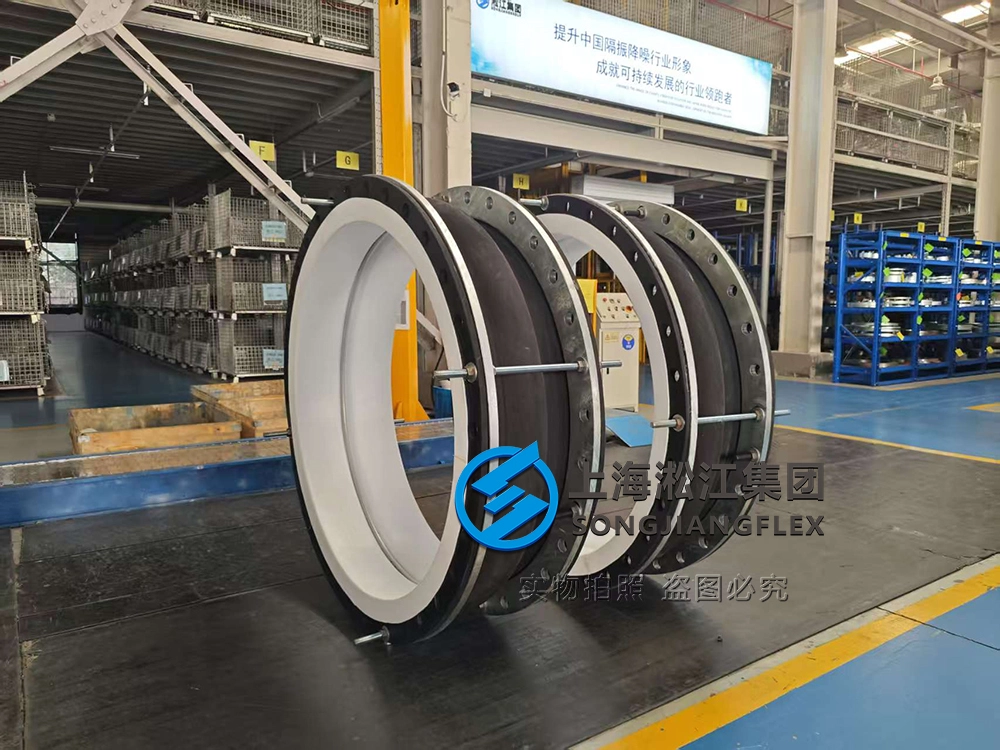
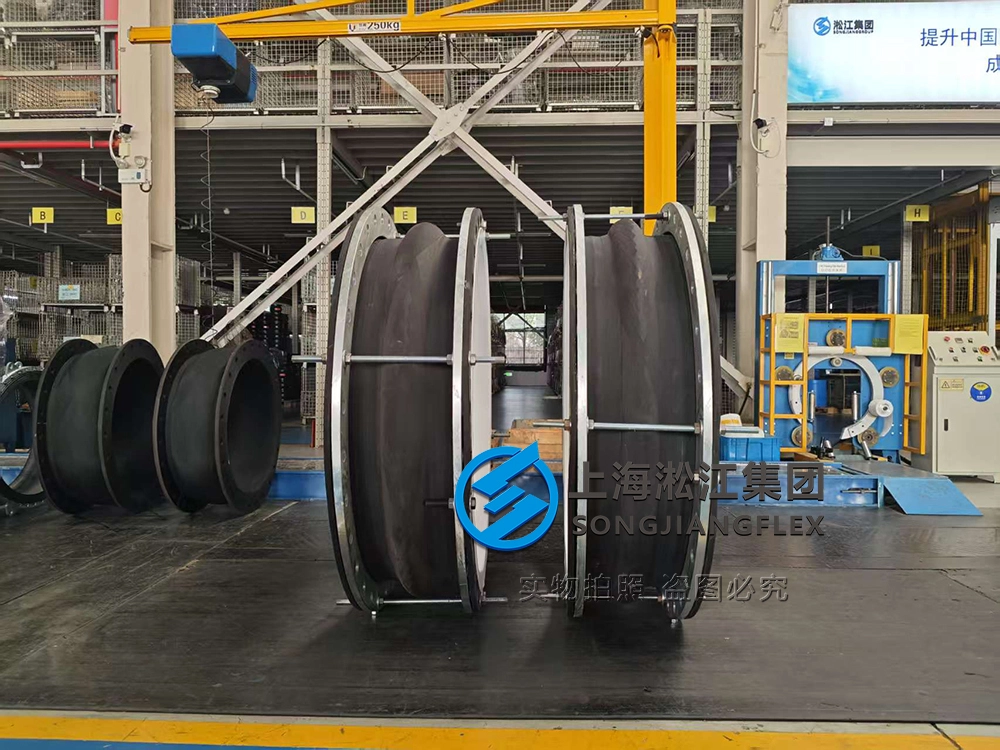
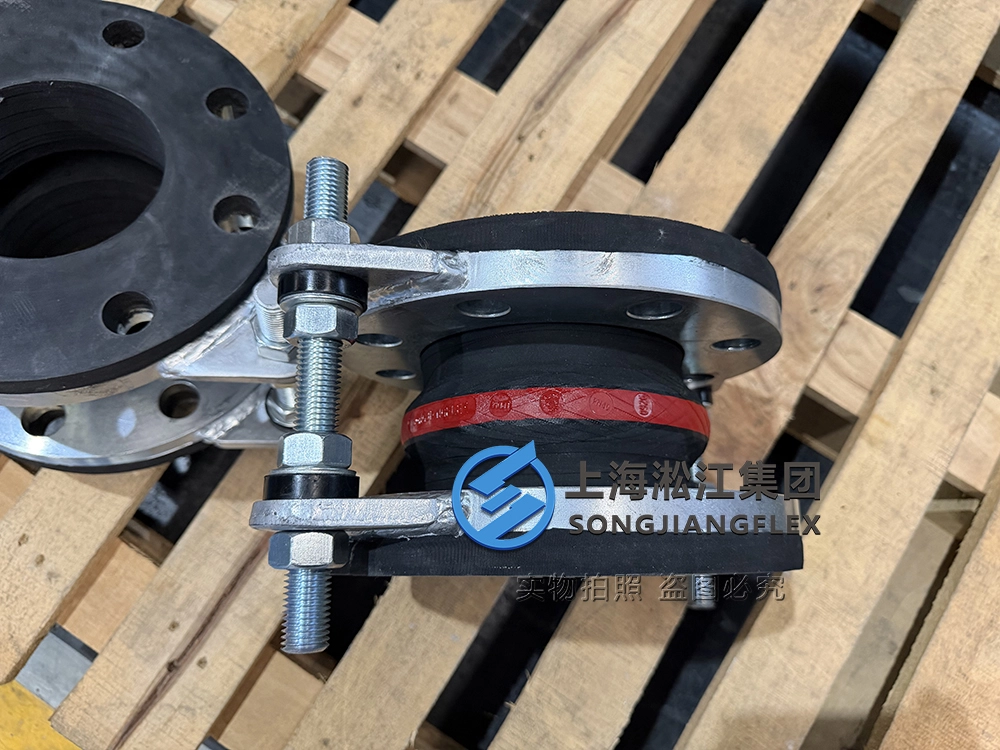
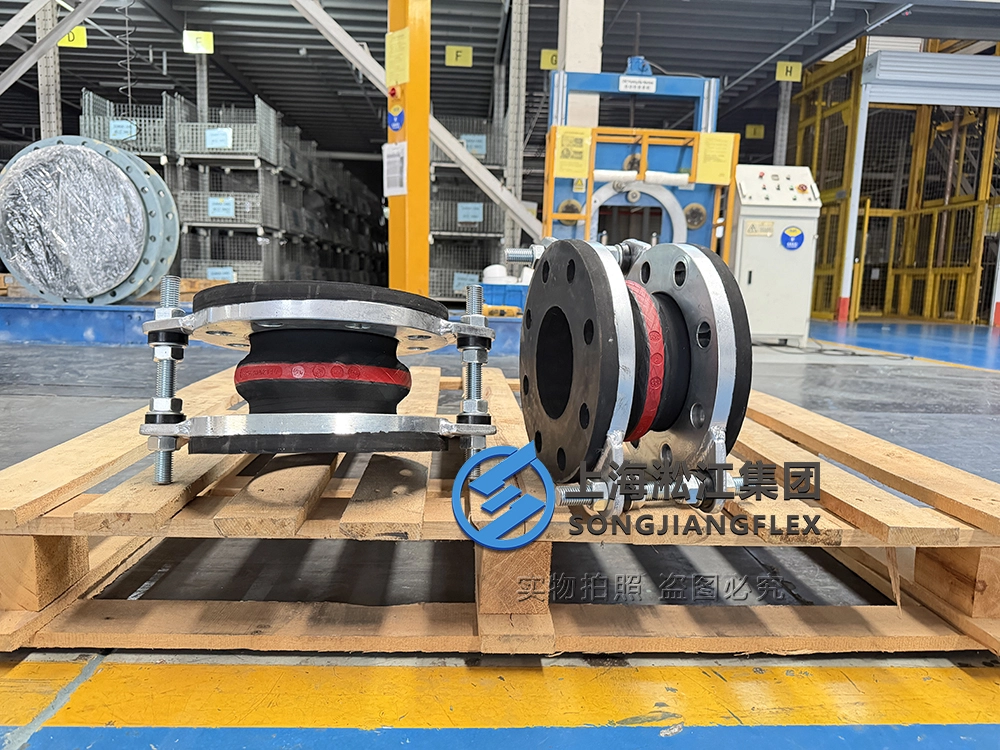
Industrial rubber expansion joints operating under demanding conditions must withstand high pressure, large displacements, aggressive media, temperature extremes, and complex piping loads. We manufacture custom joints for challenging applications across power generation, chemical processing, marine systems, and desalination. Product testing and inspections are conducted according to specified requirements, supported by applicable certifications and approvals, including ABS, CCS, CE, and ISO 9001.
01. High Pressure, Water Hammer & Pressure Thrust: High operating pressure and sudden surges create excessive loads on rubber expansion joints. Pressure thrust and uncontrolled bellows movement can lead to deformation, reinforcement failure, and structural instability.
02. Ground Settlement & Excessive Lateral Displacement: Foundation settlement, tank subsidence, and piping misalignment can impose substantial lateral and angular movements. Accommodating these displacements without compromising pressure resistance, sealing integrity, or fatigue life is a key challenge.
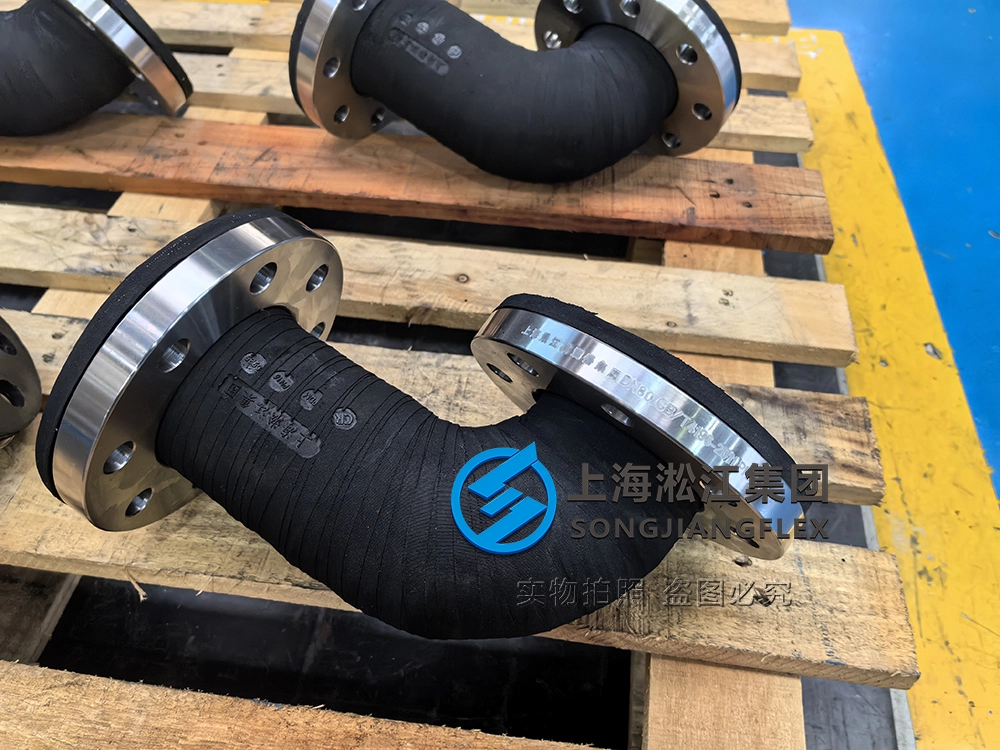
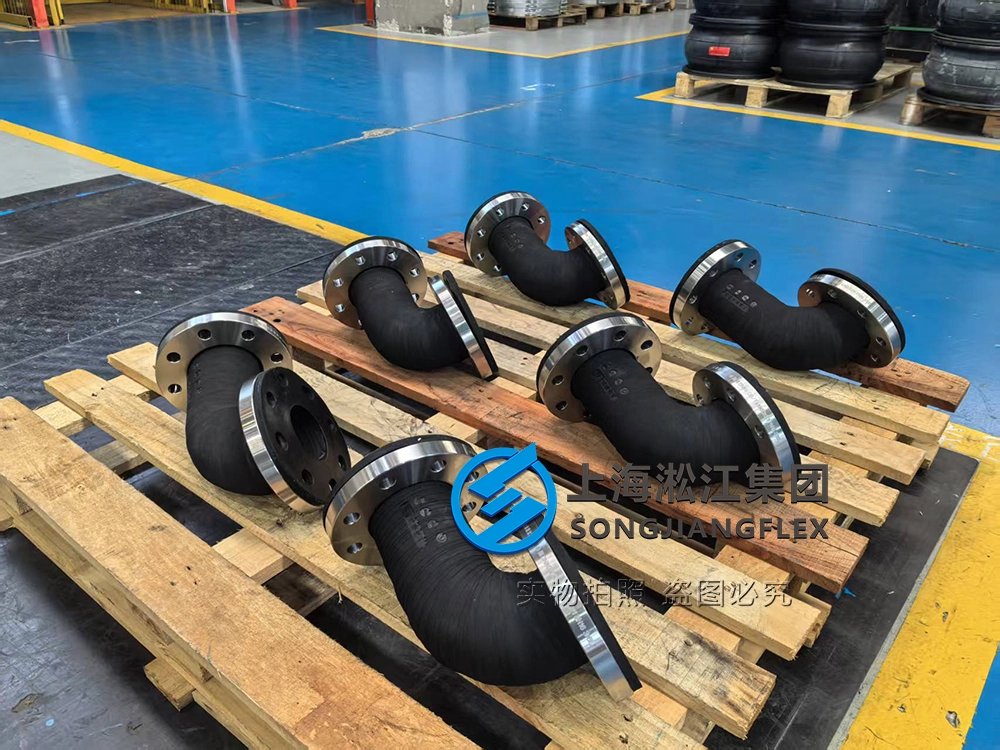
03. Non-Standard Geometry & Installation Constraints: Asymmetric connections, eccentric transitions, and restricted installation dimensions complicate joint geometry and load distribution. Custom configurations must match actual piping layouts while maintaining proper fit and reliable sealing.
04. Aggressive Chemicals & Corrosive Media: Chemical compatibility depends on media composition, concentration, temperature, and exposure duration. Unsuitable rubber compounds or liners can swell, harden, crack, or deteriorate, leading to premature failure or leakage.
05. Continuous High-Temperature Service: Prolonged heat exposure accelerates rubber aging and can weaken bonding between rubber and reinforcement layers. Maintaining flexibility, pressure resistance, and sealing integrity becomes more difficult under combined thermal and mechanical loads.
06. Low-Temperature & Sub-Zero Flexibility: Low temperatures increase rubber stiffness and reduce movement capacity, potentially increasing the risk of cracking. Reliable performance depends on maintaining flexibility and sealing integrity during cold starts and temperature fluctuations.
07. High-Frequency Vibration & Noise Transmission: Continuous equipment vibration transmits noise through connected piping and subjects rubber joints to repeated dynamic loading. Reducing vibration transmission while avoiding excessive deformation, resonance, and premature fatigue is a key challenge.
08. Cyclic Fatigue & Multi-Axis Movements: Repeated axial, lateral, and angular movements create complex stress cycles in the rubber body and reinforcement layers. Combined movements and pressure fluctuations can accelerate fatigue, particularly when deformation is unevenly distributed.
09. Cavitation, Turbulence & Erosive Flow: High flow velocities, turbulence, cavitation, and entrained solids can cause localized impact and internal surface damage. These conditions accelerate wear, particularly in slurry transport and other abrasive process applications.
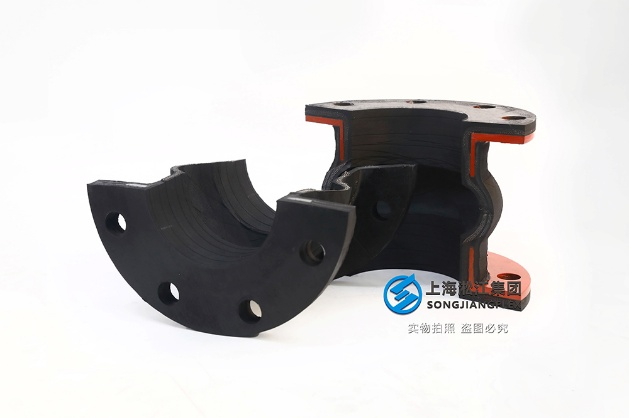
10. UV, Ozone & Environmental Aging: UV radiation, ozone, moisture, and temperature cycling can degrade exposed rubber surfaces. Prolonged environmental exposure may cause cracking, hardening, and loss of elasticity, reducing long-term service life.
11. Large Displacements & Limited Installation Space: Large axial, lateral, or angular movements may exceed conventional joint capacity, while restricted installation length limits available movement. Balancing displacement requirements with pressure resistance and fatigue life becomes particularly challenging in confined spaces.
12. Severe Abrasion & Electrostatic Dissipation: Abrasive particles can wear internal rubber surfaces, especially in areas of concentrated impact. Applications involving electrostatic charge accumulation may also require verified electrical conductivity without compromising mechanical or chemical performance.
13. Full Vacuum & Negative-Pressure Stability: Full vacuum and negative pressure can cause rubber bellows to buckle or collapse if their structure lacks sufficient stability. Larger diameters, longer unsupported sections, and combined movement requirements increase the challenge.
Need a Solution for a Demanding Application?
By Working Medium
By Model Type
By Rubber Material
By Flange Material
By Size Range (DN)
By Special Features
Complete Series: High-Performance Rubber Expansion Joints & Flexible Joints
KXT · KST · KYT · KDT · WCR | Size DN25–DN4000 | EPDM / NBR / CR / FKM / CSM | PN6–PN100 / High Pressure Designs | Engineered for Mining, Chemical Processing, Oil & Gas, Power Generation, Marine, Water Treatment & Nuclear Power Systems
Showing 1–20 of 62 results