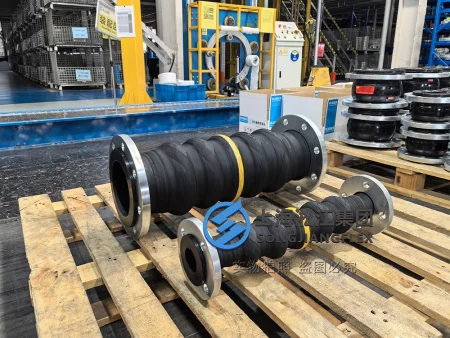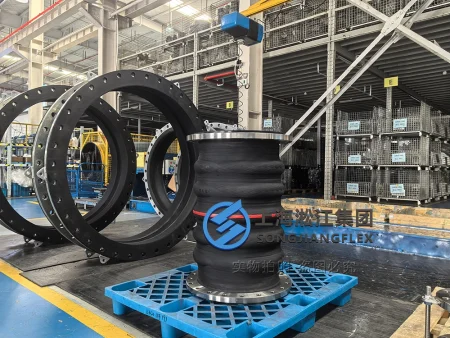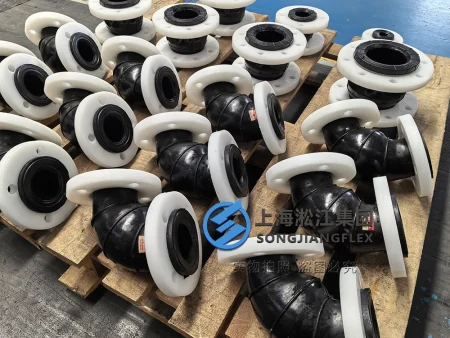
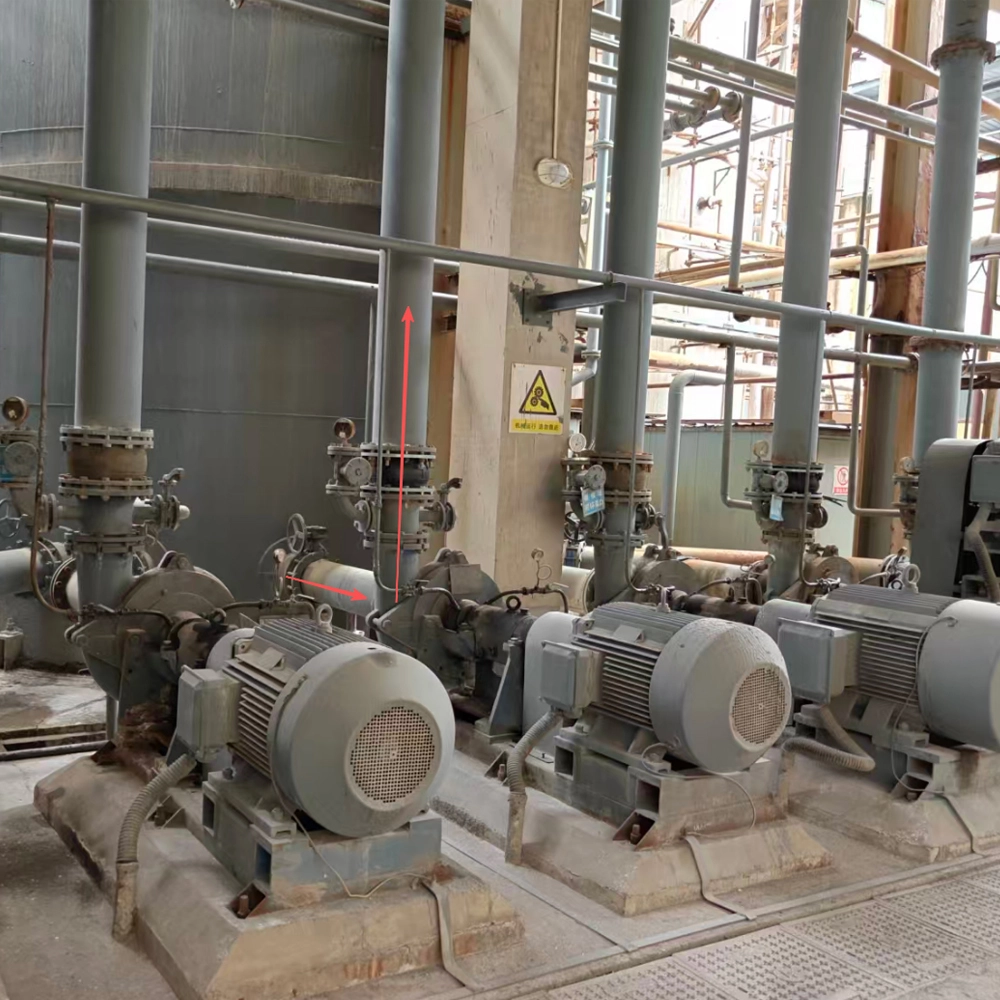
In coal-fired power plant Wet Flue Gas Desulfurization (FGD) systems, the limestone-gypsum slurry circulation line is arguably one of the most punishing environments for piping components. While asset owners routinely invest in heavy-wall carbon steel pipes lined with Polyethylene (PE) or rubber to resist the hyper-abrasive velocity of solid-liquid mixtures, the flexible connections—specifically the rubber expansion joint—remain a critical single point of failure.
Field data shows that standard commercial-grade flexible rubber joints operating under absorption tower spray pumps or hydrocyclone feed lines often disintegrate within 2 to 3 months. For maintenance engineers, this translates to frequent unscheduled shutdowns, slurry leakage, and increased Total Cost of Ownership (TCO).
Understanding the root cause of these premature failures is essential to selecting a piping component that matches the design life of the surrounding lined infrastructure.
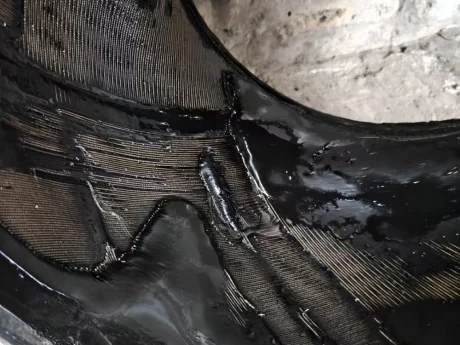
The Triad of Destruction: Erosion, Corrosion, and Cavitation
A standard rubber expansion joint fails rapidly in an FGD gypsum blowdown or recirculation line due to the synergy of three destructive forces:
- High Solid-Loading Abrasion: Gypsum slurry typically contains 15% to 30% suspended solids, including coarse limestone particles, calcium sulfate dihydrate crystals, and abrasive fly ash silicates. At high flow velocities, these solids act as a continuous sandblasting media against the rubber bellows.
- Chemical Attack & Chloride Corrosion: The recirculating liquor concentrates highly corrosive chlorides (often exceeding 20,000 ppm) at a pH range of 4 to 6, accelerated by operating temperatures around 50°C to 65°C.
- High Velocity and Turbulence: Positioned immediately downstream of heavy-duty slurry pumps, the expansion joint absorbs extreme hydraulic turbulence and localized cavitation.
When standard rubber joints are deployed, the thin interior elastomeric tube is quickly shaved down by the scraping solids. Once the internal rubber liner is breached, the abrasive slurry penetrates the reinforcement fabric and steel cord layers. The high internal pressure then causes rapid blistering, delamination, and catastrophic rupture.
Engineering the Solution: Our Proprietary Wear-Resistant EPDM Bellows with 2507 Duplex Liners
To solve this industry-wide bottleneck, standard off-the-shelf flexible connectors must be replaced with an engineered-to-spec piping solution designed specifically for abrasive slurry transport. Through extensive in-house R&D and failure analysis of desulfurization pipelines, we have developed a specialized, heavy-duty solution that fundamentally re-engineers the elastomer matrix.
1. Our In-House R&D Specially Formulated Anti-Abrasive EPDM
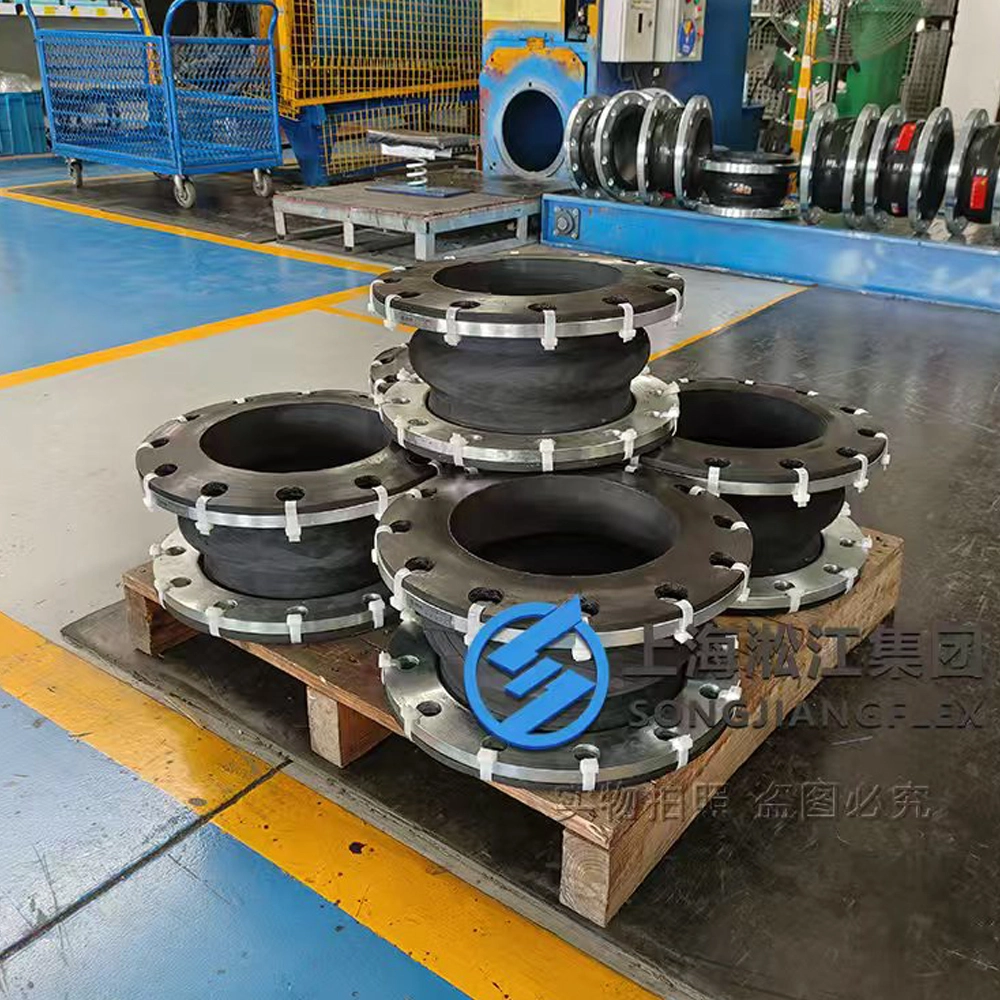
Unlike suppliers who rely on generic, commercial-grade rubber sheets, our engineered flexible joints feature an in-house developed, custom-compounded anti-abrasive EPDM rubber formulation.
By altering the molecular cross-link density and integrating specialized reinforcing agents during our proprietary compounding process, our engineering team has achieved a rubber matrix with unparalleled vulcanization characteristics.
- Sacrificial Ultra-Thick Wear Layer: We have structurally increased the thickness of the internal vulcanized tube, creating a robust sacrificial barrier designed for continuous solid-particle impingement.
- High-Elasticity Micro-Structure: The proprietary EPDM blend exhibits extreme tear resistance and dynamic elasticity. Instead of being cut or eroded by sharp gypsum and ash particles, the modified elastomer deflects the kinetic energy of the solids, drastically lowering the material erosion rate.
- Chemical Immunity: This custom-compounded rubber maintains full chemical inertness against acidic, high-chloride FGD recirculating liquors, ensuring the bellows will not harden, crack, or lose flexibility under continuous thermal loads up to 65°C.
2. Integrated 2507 Duplex Stainless Steel Flow Guides (Internal Sleeves)
To achieve ultimate wear protection under extreme flow velocities, we complement our proprietary rubber with a custom-designed internal directional liner (flow guide) made from 2507 Duplex Stainless Steel (UNS S32750).
- Why 2507 Duplex? Super duplex 2507 offers a Pitting Resistance Equivalent Number (PREN) greater than 40, delivering exceptional immunity to pitting and crevice corrosion in high-chloride, acidic gypsum environments where 304 or 316L stainless steels fail via stress corrosion cracking within weeks.
- Hydrodynamic Design: The internal metal liner shields the EPDM arch from direct impingement while maintaining a smooth hydraulic profile, minimizing turbulence and preventing solids from settling inside the corrugation arch.
Summary for Flue Gas Desulfurization Engineers
Matching the service life of your rubber expansion joints to your PE-lined carbon steel headers is achievable. By upgrading from standard flexible connectors to our proprietary, in-house developed heavy-duty anti-abrasive EPDM expansion joint configured with a 2507 duplex stainless steel internal liner, power plant maintenance teams can extend component life from a frustrating 2-month replacement cycle to years of continuous, reliable operation.
Investing in robust, application-specific flexible piping elements eliminates chronic leakage risks, protects downstream equipment, and optimizes the reliability of the entire environmental control system.