Introduction
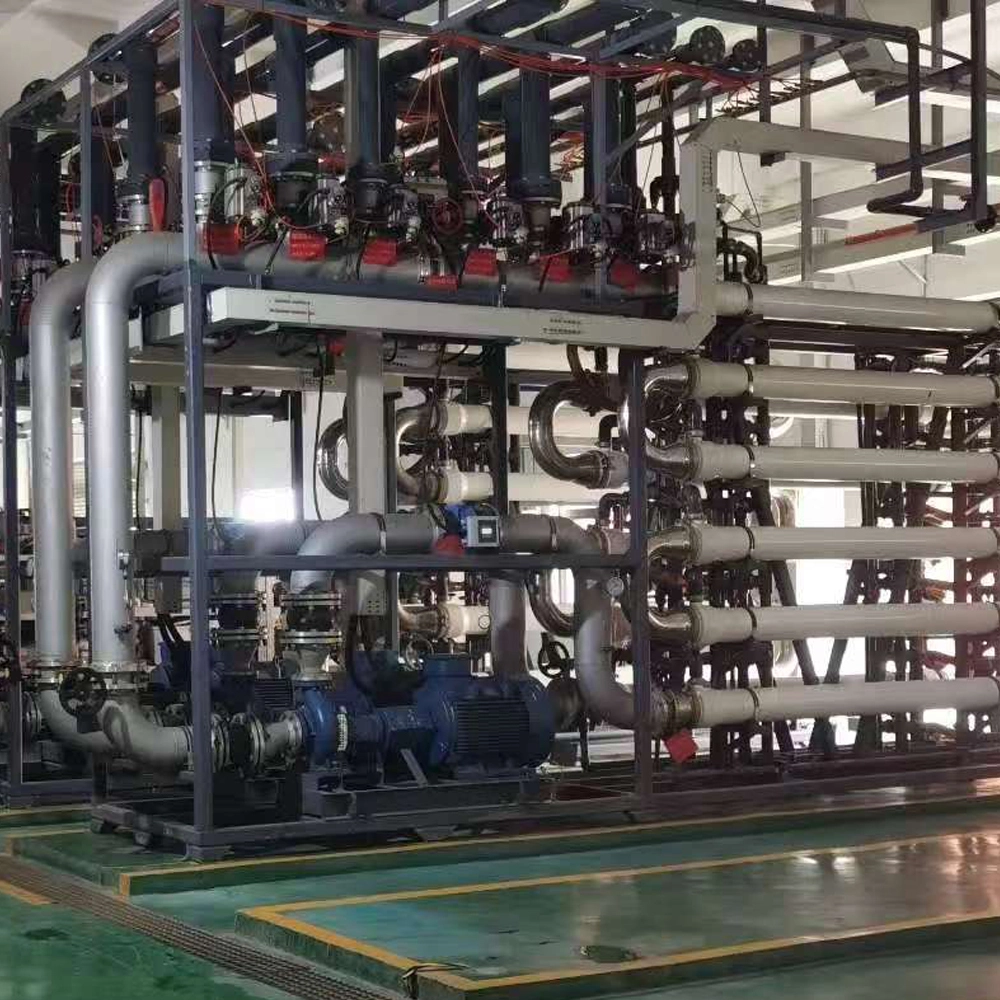
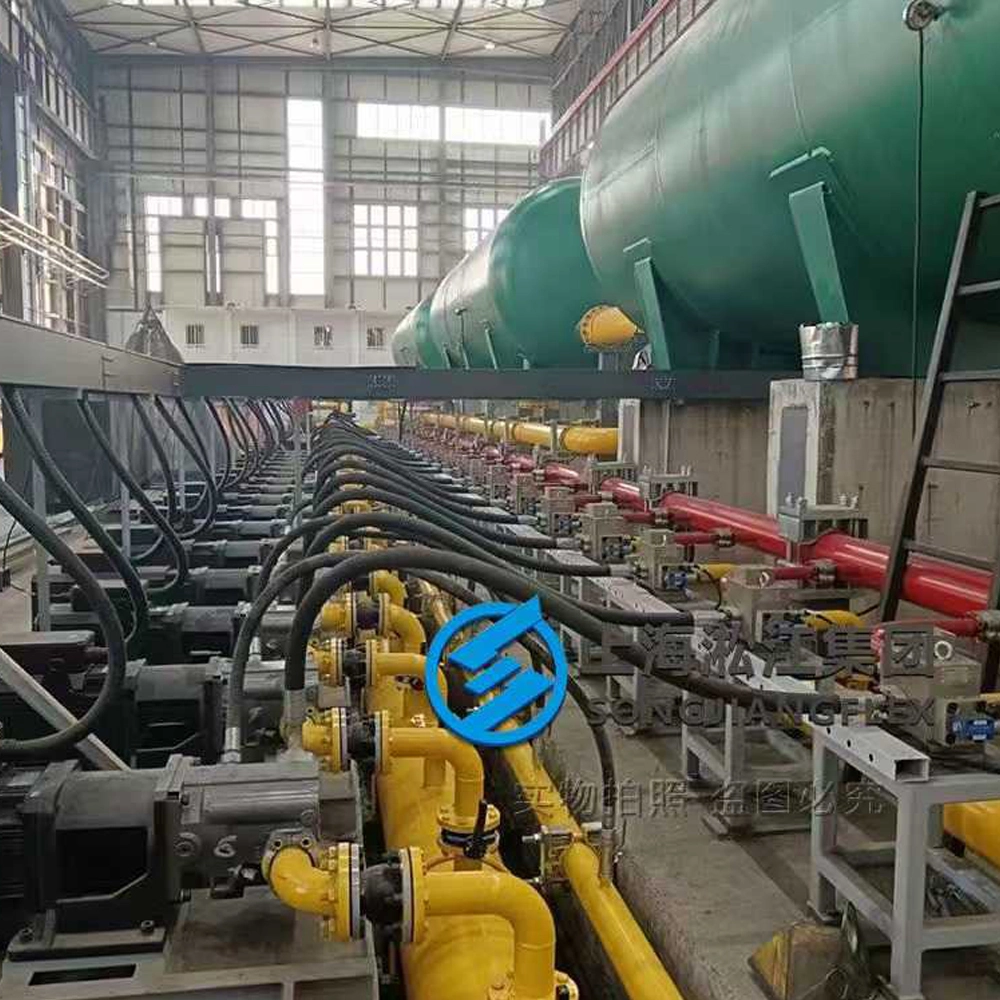
In modern heavy industrial manufacturing, centralized hydraulic power units (HPUs) and high-volume lubrication oil circulation systems function as the vital circulatory networks for heavy-duty production machinery. Managing massive, continuous flows of highly viscous media at elevated pressures puts tremendous mechanical stress on rigid distribution piping networks.
At the connection points of high-capacity pumps, headers, and primary accumulation vessels, the system meets a critical engineering challenge: mitigating complex multi-axial forces and low-frequency resonance without introducing structural vulnerability. For system designers and plant engineers, integrating field-proven rubber expansion joints is a necessary strategy to guarantee continuous equipment uptime and prevent Catastrophic Fatigue Failure (CFF).
Structural Stressors in Large-Scale Oil Circulation Infrastructure
High-volume lubrication networks and heavy-duty central hydraulics operate under conditions that accelerate piping degradation. These systems face distinct physical forces that rigid steel pipelines cannot absorb on their own:
- Low-Frequency Pump Resonance & Structural Micro-Vibration: Multi-pump arrays running concurrently generate intense structural harmonic frequencies. Unchecked, this vibration travels down the piping headers, causing mechanical fasteners to back out, fracturing pipe hangers, and damaging critical instrument seals.
- Hydraulic Shock and Transient Surge Pressures: Sudden valve closures, multi-stage pump start-ups, or shifts in directional control blocks create severe pressure spikes (water hammer effect). These pressure surges exert extreme moment forces on directional elbows and rigid manifold junctions.
- Thermal Dimensional Variances: Fluid temperature differentials between system start-up and steady-state operation cause localized pipeline expansion and contraction. Rigid anchoring cannot handle this thermal movement without transferring severe tension and compression loads directly to pump casings and tank flanges.
Why Premium-Grade Rubber Expansion Joints Are Essential
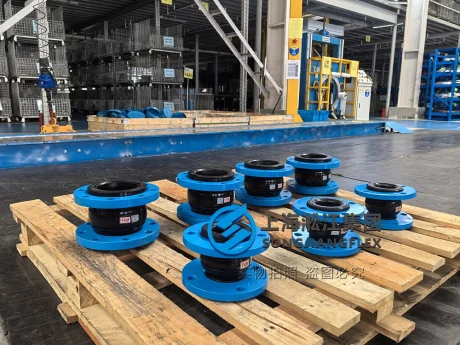
Standard metal braided hoses or basic metallic bellow compensators frequently struggle under the specific operational demands of heavy lubrication lines. Premium-engineered elastomer compensators provide distinct technical advantages:
Omnidirectional Displacements
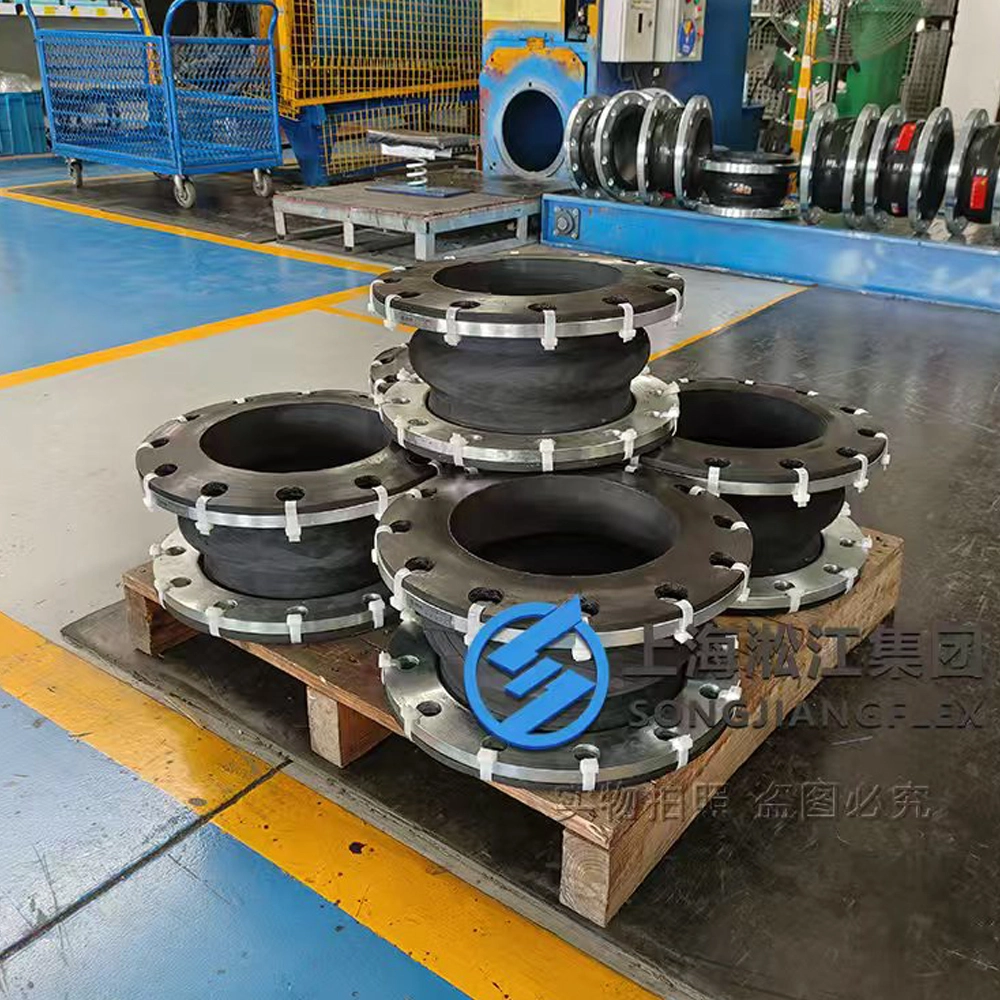
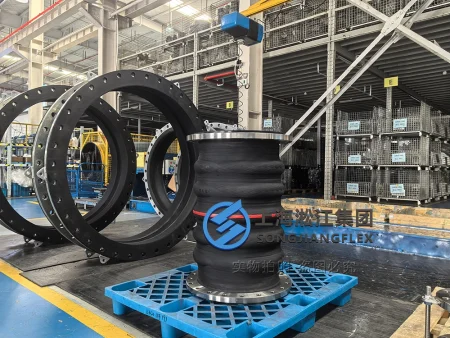
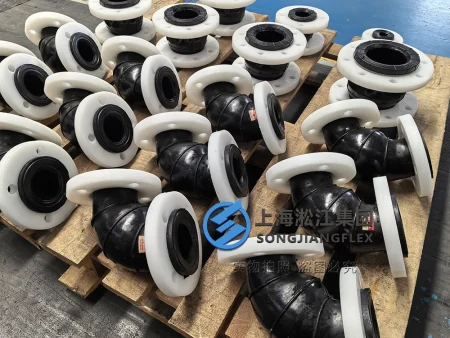
Unlike metallic bellows that primarily handle axial movement and degrade quickly under lateral shearing, multi-layered molded rubber expansion joints concurrently absorb axial compression, lateral offset, angular deflection, and torsional twist. This versatility accommodates the complex settling of heavy equipment foundations.
Mechanical Vibration Dampening
Elastomeric compounds possess inherent material damping characteristics superior to any metal alloy. High-grade rubber matrices effectively swallow high-frequency motor hum and structural acoustics, preventing energy transmission to the rest of the facility and shielding highly sensitive downstream flowmeters and pressure transducers.
Chemical and Elastomeric Integrity
Modern lubrication and hydraulic mediums include aggressive synthetic esters, fire-resistant phosphate oils, and highly refined mineral oils with complex anti-wear additives. Premium rubber expansion joints use specialized liners made from high-nitrile rubber (NBR), Hydrogenated Nitrile (HNBR), or Fluoroelastomer (FKM). These materials ensure zero polymer swelling, zero chemical leaching, and long-term resistance to thermal aging.
Engineering Best Practices for High-Performance Infrastructure
Maximizing the operational lifespan of flexible piping connectors requires precise system design and component selection:
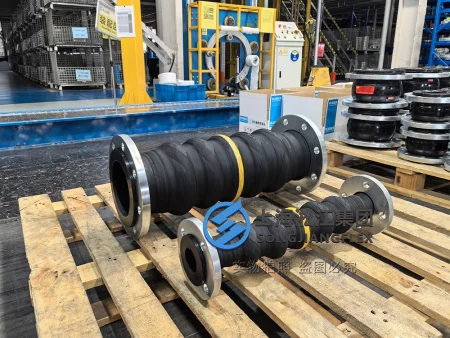
- Integrated Control Units & Tie Rods: On large-diameter oil lines and suction headers, rubber bellows should be paired with limit-rod control assemblies. These limit assemblies prevent over-elongation during sudden pressure surges and distribute thrust forces safely to adjacent anchor points.
- Full-Faced Vulcanized Flanges: For high-flow, high-pressure environments, utilizing integral vulcanized rubber flanges over loose sleeve-style designs ensures a superior seal across the entire mating surface. This profile minimizes localized stress concentrations and prevents fluid bypass or flange leakage under flexing conditions.