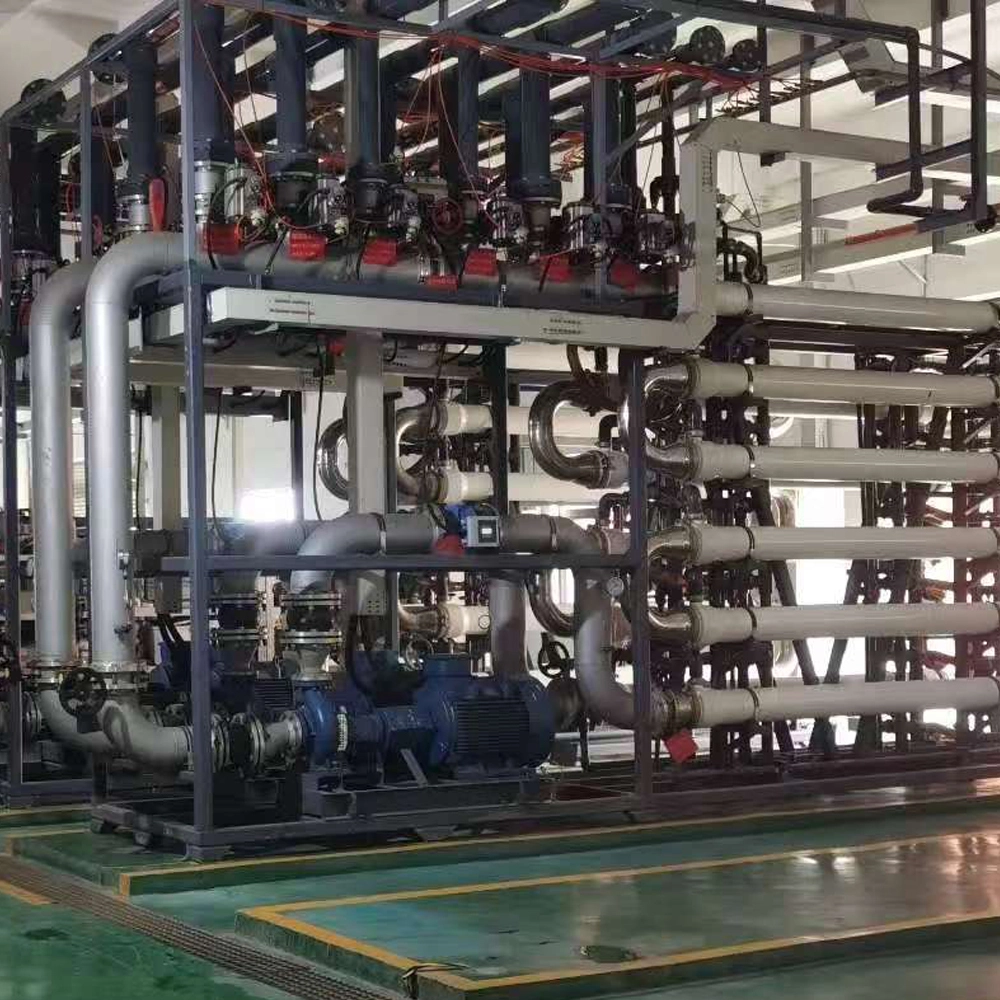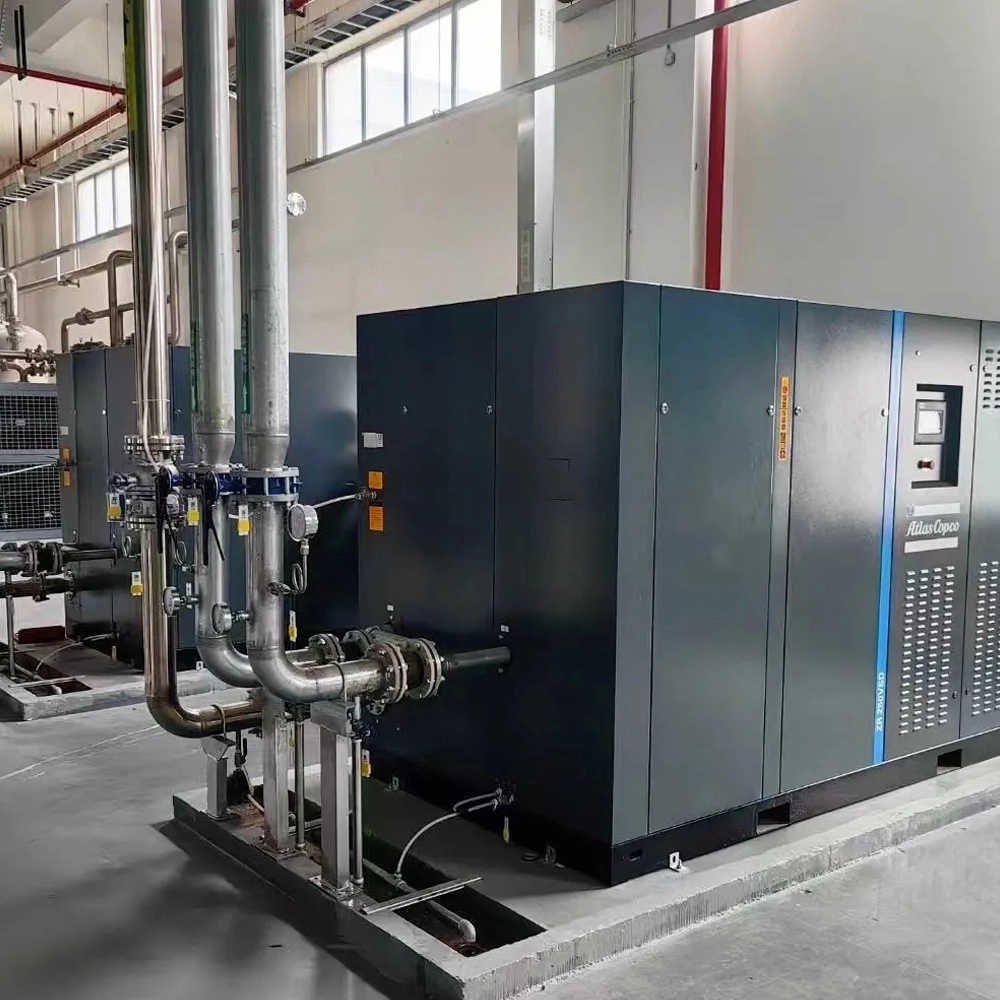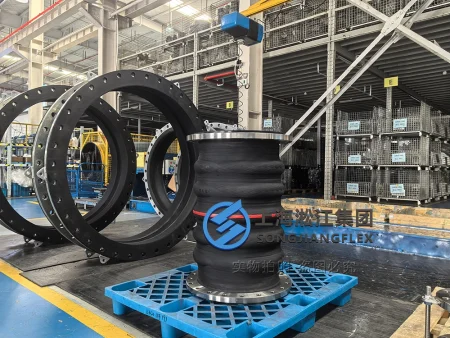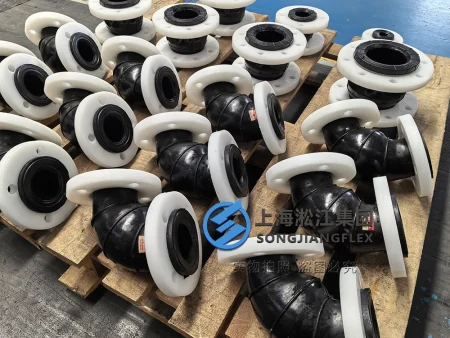
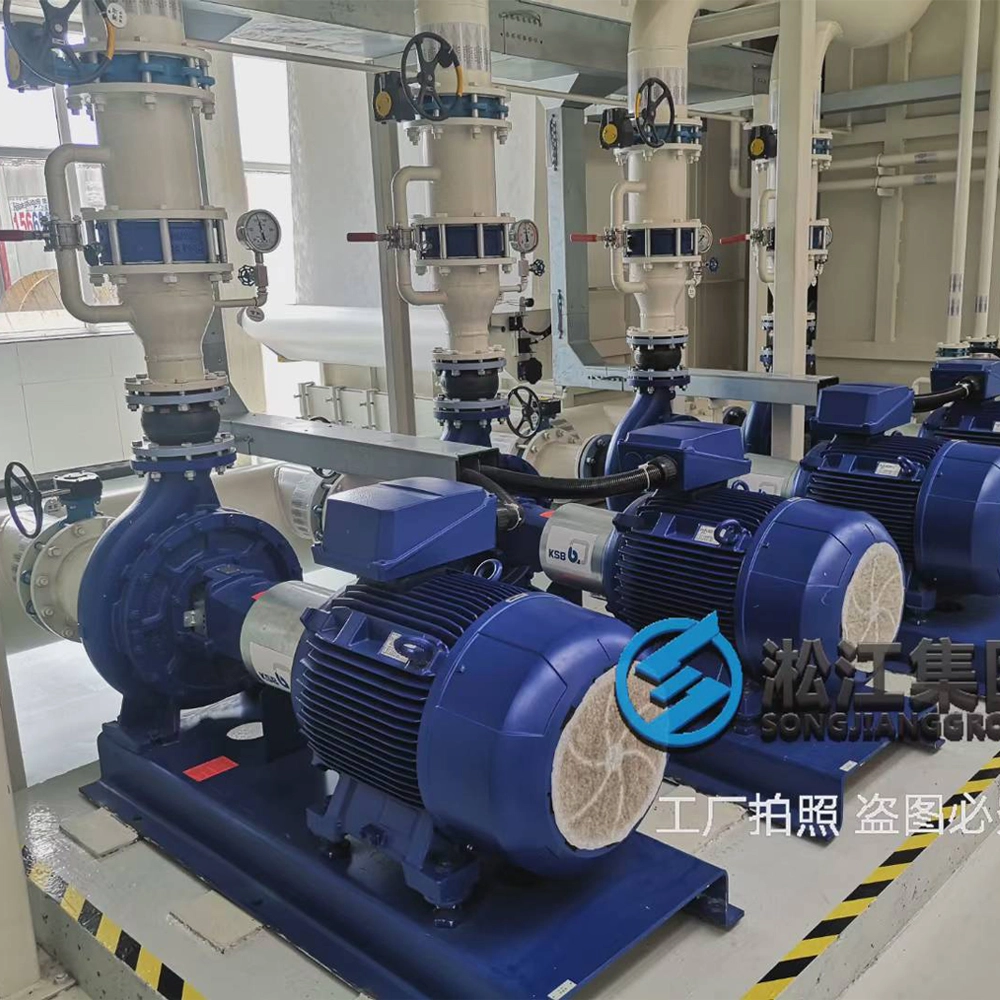
In heavy industrial water treatment, manufacturing process cooling, and complex multi-media filtration plants, the process pump skid is the mechanical heart of operations. Modern, high-capacity industrial filtration systems (Industrial filtration systems) rely heavily on rows of horizontal end-suction centrifugal pumps (Horizontal end-suction centrifugal pumps) or split-case machinery to push raw, untreated, or recycled water through dense filter matrices, membrane arrays, or deep-bed media tanks.
Unlike standard municipal distribution networks, fluid dynamics within an industrial filtration loop are aggressive and constantly shifting. Process engineers and plant maintenance directors face unique structural vulnerabilities—specifically dynamic differential pressures, backwash-induced hydraulic shockwaves, and severe horizontal torque vectors.
Without highly resilient, industrial-grade flexible interfaces bridging the connection between heavy horizontal pump casings and rigid metallic manifolds, these process conditions cause premature gasket shear, catastrophic equipment misalignment, and unscheduled plant down-time.
🛠️ Critical Piping & Stress Pain Points in Industrial Filtration Loops
Operating heavy-duty horizontal pump skids within industrial water filtration loops introduces severe physical challenges that standard rigid piping structures cannot sustain:
1. Rising Differential Backpressure and Variable Casing Strain
The fundamental mechanic of any industrial filter—whether it is a multi-media sand filter, a cartridge housing, or an ultrafiltration (UF) membrane rack—is the retention of suspended solids. As particulate matter accumulates, the internal resistance of the filter grid escalates. This creates a steep, gradual increase in differential pressure (DP) across the system, altering the discharge backpressure on the horizontal pump. This varying fluid resistance exerts variable, unyielding load profiles back down the pipe run, forcing a continuous flexural strain directly onto the pump’s discharge nozzle.
2. High-Velocity Reverse Shock During Backwash Cycles
To prevent permanent fouling and maintain efficiency, industrial filtration units undergo automated self-cleaning or backwashing (Backwashing cycle) sequences. During a backwash cycle, high-performance pneumatic actuators or motorized butterfly valves cycle rapidly to reverse the internal fluid velocity. This instantaneous flow diversion generates massive, destructive hydraulic shockwaves and water hammer. This sudden kinetic energy slams back through the horizontal piping run, straining fixed pipe supports and threatening to snap cast pump flanges.
3. Axial Torque and Horizontal Thrust Vectors
Horizontal end-suction centrifugal pumps are anchored along a flat, longitudinal horizontal axis. When dealing with high flow rates typical of process water treatment, the start-up inertia of the large electric motors generates substantial horizontal shaft torque. Simultaneously, the force of the fluid exiting the pump creates an ongoing, axial horizontal thrust vector. If the suction and discharge lines are bound by rigid connections, this thrust deforms the piping geometry, altering precise pump-to-motor alignment and wearing down expensive mechanical seals and bearings.
4. Aggressive Process Chemistry and Abrasive Slurry Wear
The process fluid passing through industrial filtration systems is rarely pure water. It frequently carries abrasive sand particles, industrial debris, corrosive brine, or concentrated chemical dosing agents used for coagulation and pH balancing. Rigid piping networks and lower-grade standard elastomers break down under this dual threat of chemical erosion and physical scour, resulting in micro-fissures and pinhole leaks along the joints.
💡 How Premium Rubber Expansion Joints Neutralize Filtration Skids Vulnerabilities
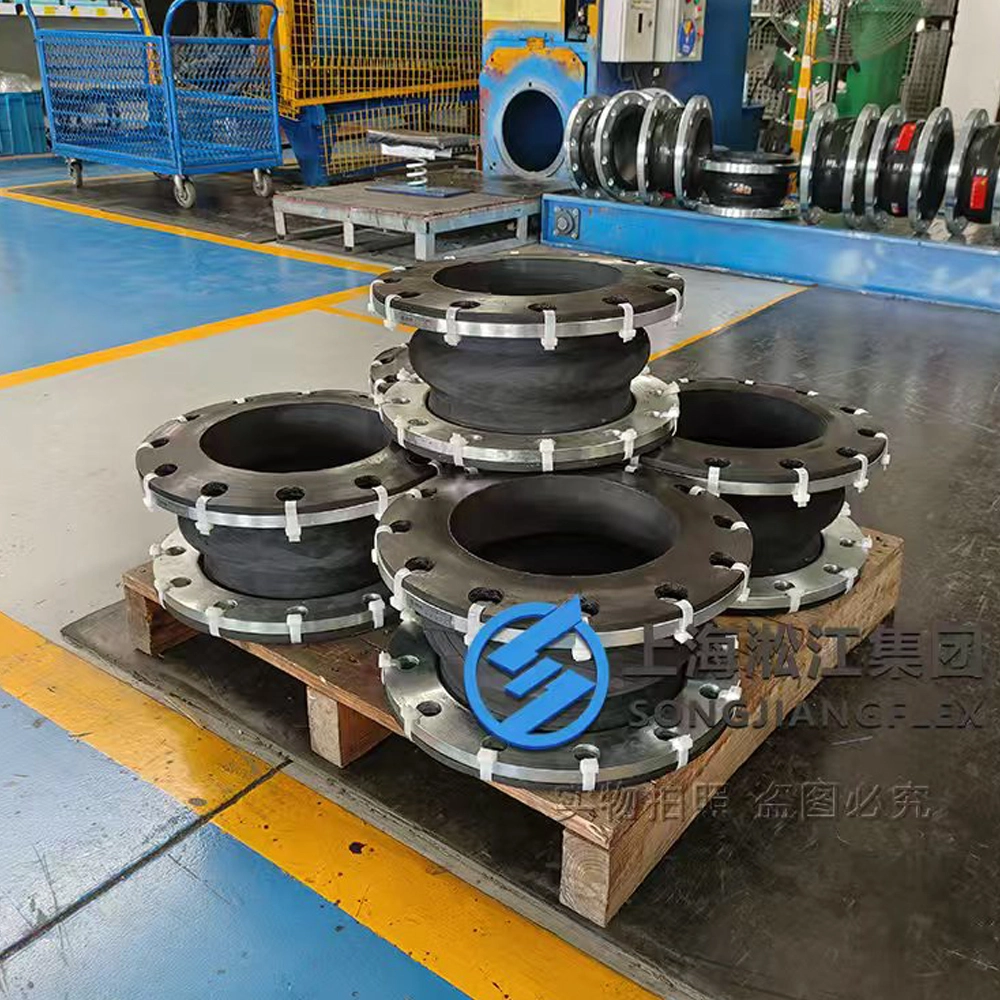
To shield heavy horizontal pump skids from these structural loads, installing a high-integrity rubber expansion joint on both the horizontal suction inlet and the vertical discharge manifold is the most technically effective method for isolating mechanical and fluid forces.
[ Horizontal Suction Intake ] ──> [ Rubber Joint ] ──> [ Horizontal Pump ] ──> [ Rubber Joint ] ──> [ High-Pressure Filter Grid ]
                                          │                                          │
                                          └── Absorbs Horizonal Thrust               └── Buffers Rising Backpressure
1. Absorbing Multi-Directional Displacement Under Pressure
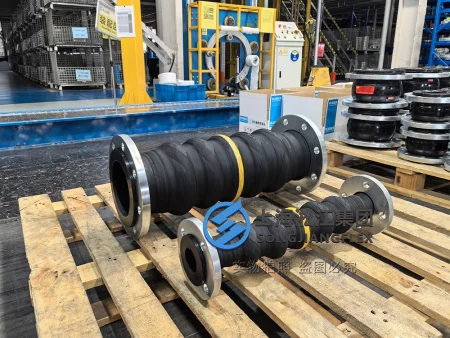
Premium rubber expansion joints (also termed flexible rubber joints or rubber bellows) offer structural elasticity that no metallic pipe segment can replicate. They smoothly absorb axial elongation, lateral deflection, and angular deviation simultaneously. As filter matrices fill and pipelines adjust under load, the elastomeric bellows expands or compresses to decouple the pump completely from the mechanical movements of the main header pipe.
2. Cushioning Transient Shock and Hammer During Cycles
The thick, engineered wall profile of a premium rubber connector acts as an inline hydraulic energy absorber. When automated valves switch to backwash mode, the resulting pressure pulse expands the elastomeric body slightly along its radial axis. This micro-expansion breaks the momentum of the water hammer wave, dissipating the structural shock safely within the reinforced matrix of the bellows rather than allowing it to impact the pump casing.
3. Damping Low-Frequency Industrial Vibration
Large horizontal pump blocks running at high capacities generate heavy, continuous low-frequency vibrations. If left unchecked, these vibrations travel down the rigid pipe walls, destabilizing sensitive differential pressure sensors, loosening flange stud torque, and cracking pipe welds. The specialized viscoelastic structure of high-grade rubber absorbs this mechanical energy, transforming kinetic vibrations into minor, self-dissipating thermal friction, ensuring a stable, whisper-quiet plant interior.
🏷️ Technical Procurement Standards for Process and Filtration Engineers
When specifying flexible elements for industrial-scale filtration loops, purchasing teams must bypass low-cost commodity items and evaluate components based on heavy-duty performance characteristics:
- Application-Specific Elastomer Liners (Chemical/Abrasive Resistance): For process lines handling raw water or chemical pre-treatment, standard EPDM may not suffice. Depending on the chemical footprint, liners must be engineered from advanced NBR (Nitrile) for oil-bearing water, heavy-duty Chlorobutyl for heat and chemical resistance, or lined with PTFE (Teflon) sheets to withstand extreme acids while maintaining smooth, non-stick flow characteristics that resist particulate buildup.
- High-Tenacity Fabric Layering & Embedded Steel Rings: The structural core of the joint must feature multiple plies of premium high-strength tire cord fabric interwoven with solid steel wire reinforcement rings. This prevents radial ballooning when the filter element becomes clogged and the system operates near maximum pump pressure ratings.
- Heavy-Duty External Control Rod Units: Because horizontal pumps exert heavy axial force, installing a control rod limit assembly is non-negotiable. These steel structural rods prevent the flexible bellows from over-extending beyond its design limits during backwash surges, ensuring structural safety even if the main pipeline anchors experience minor shifting.
Summary
In the high-stakes arena of industrial process filtration, component longevity is tied directly to plant profitability. Integrating high-end, heavy-duty rubber expansion joints into horizontal pump configurations does not merely address piping misalignment—it fundamentally insulates the facility’s mechanical core from changing backpressures, heavy vibration profiles, and valve shockwaves, securing seamless, uninterrupted operations.