The High-Stakes Thermal Management Paradigm in Next-Generation Data Centers
- The Hyperscale Density Surge: Advanced artificial intelligence computing clusters and high-density server racks generate extreme heat flux that traditional air cooling systems can no longer mitigate.
- The Liquid Cooling Transition: Modern mission-critical facilities are rapidly transitioning to direct-to-chip (D2C) cold plate systems and immersion cooling architectures. This requires massive, continuous fluid circulation loops right next to high-value IT infrastructure.
- The Zero-Downtime Directive: Unlike general municipal plumbing, a single drop of fluid leakage in a data center cooling line can trigger short circuits, hardware destruction, and catastrophic cloud service outages, costing millions per minute.
Critical Pain Points and Technical Challenges in Mission-Critical Fluid Networks
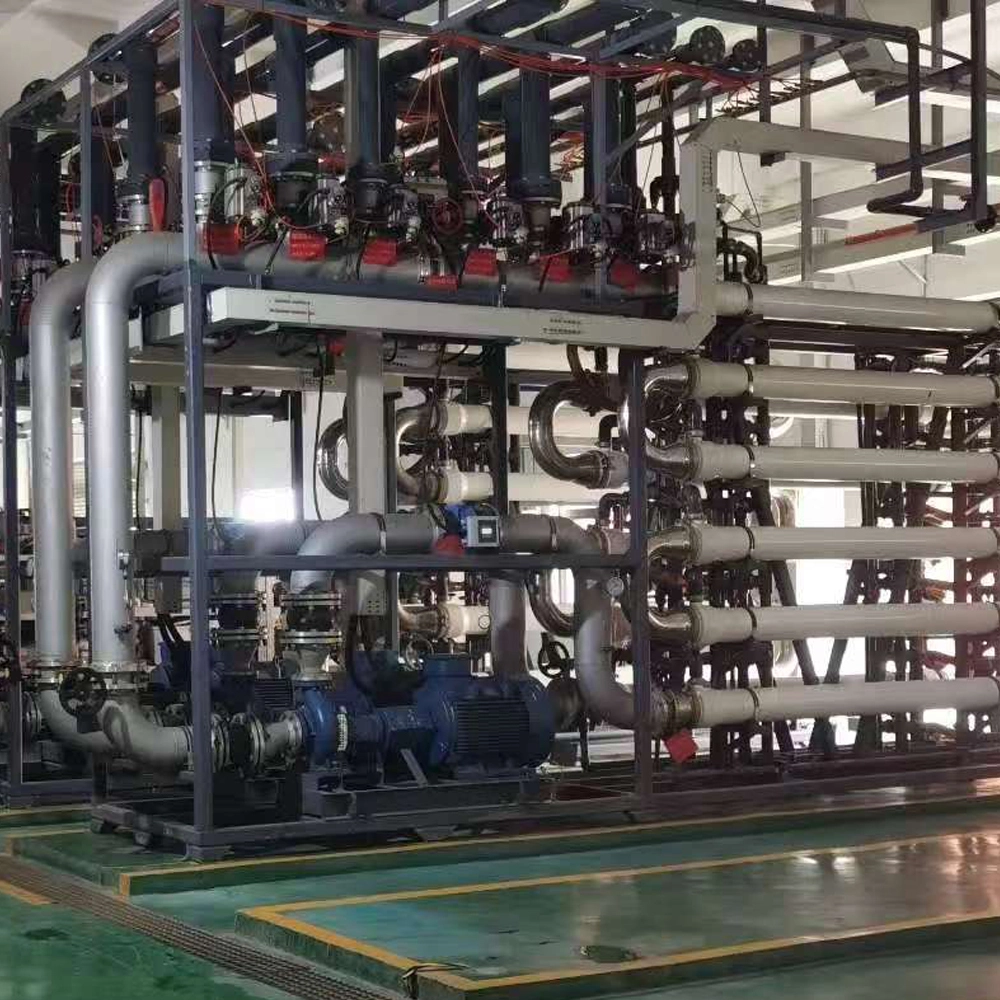
- 1. Multi-Pump Parallel Pulsation and Acoustic Echoes: To push coolant through multi-tier server rows, secondary pumping stations operate multiple centrifugal pumps in parallel. This concurrent operation creates heavy, continuous fluid pulsation and low-frequency vibration resonance, which weakens rigid pipe joints and disrupts sensitive storage disk arrays.
- 2. Dynamic Thermal Expansion Under Transient AI Workloads: AI model training sessions trigger instantaneous heat spikes, causing rapid coolant temperature fluctuations. This constant cyclic shifting forces secondary cooling loops and chilled water risers to undergo severe thermal expansion and contraction, inducing immense structural stress on rigid piping connections.
- 3. Micro-Leakage Hazards at Equipment Interfaces: Standard industrial fittings fail to provide absolute long-term sealing under micro-vibrations. Microscopic fissures at the connection points of the coolant distribution units (CDUs) allow glycol or deionized water to escape, compromising the air-conditioned atmosphere of the whitespace.
- 4. Building Settlement and Expansion Joint Misalignments: Hyperscale data center facilities feature massive concrete structures that undergo natural building settlement over time. As secondary lines cross seismic expansion joints from the external chiller yard into the internal whitespace, differential ground movement can bend and rupture unyielding metal pipelines.
Mapping the Infrastructure: Everywhere Rubber Compensators are Deployed
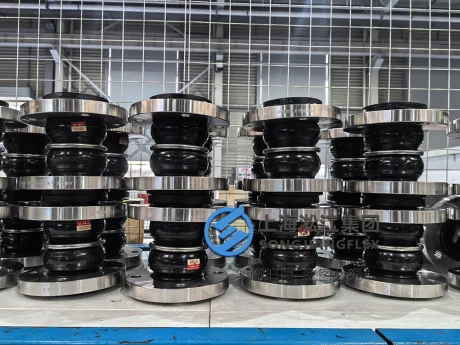
1.Primary Chilled Water Loops and External Chiller Yards
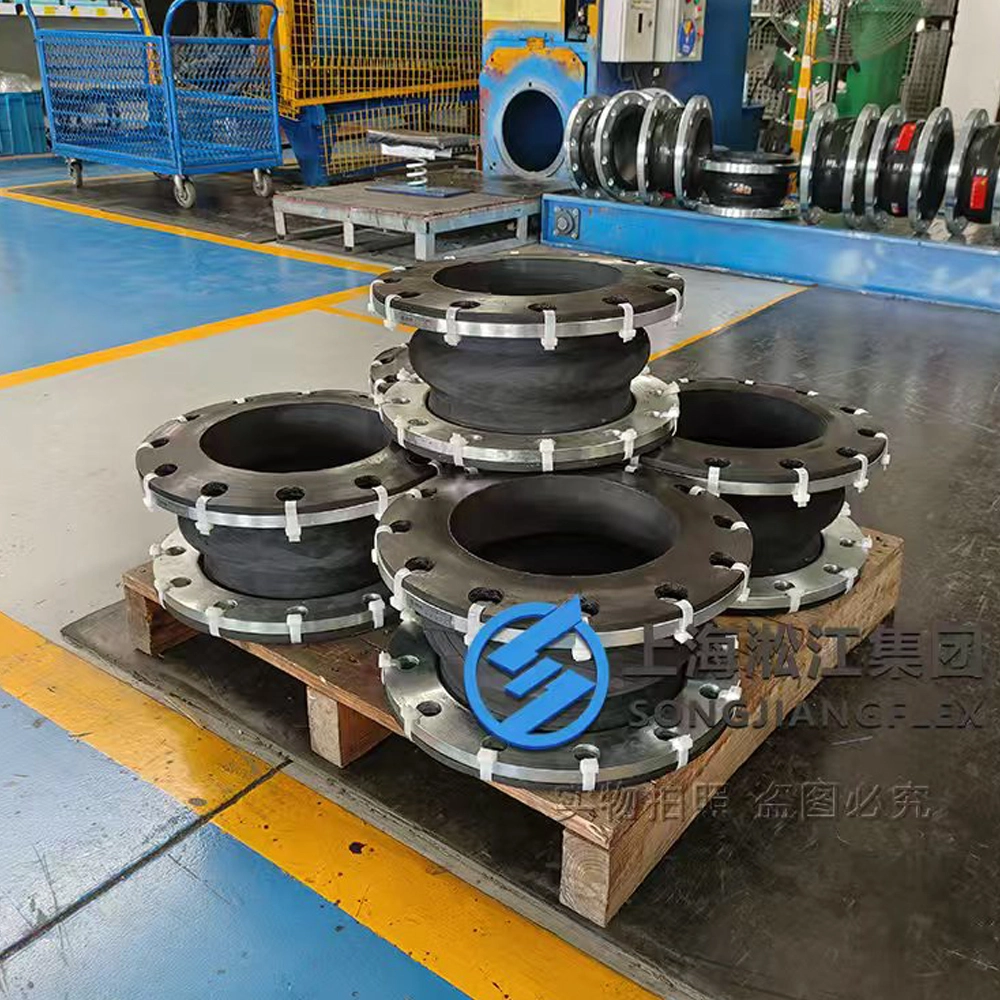
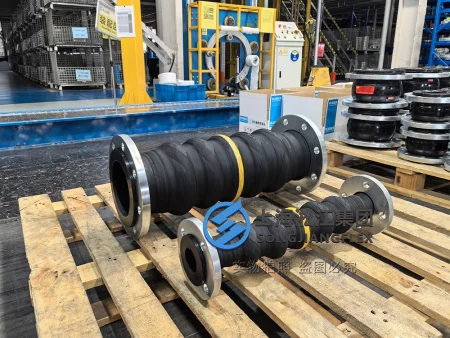
Connecting the external cooling towers and water chillers to the building interior requires heavy-duty flexible connectors. Deploying high-durability rubber compensators at these boundaries absorbs seasonal structural deflections and isolates the intense mechanical vibrations of primary pumps from the building shell.
2.Secondary Loops and Coolant Distribution Units (CDUs)
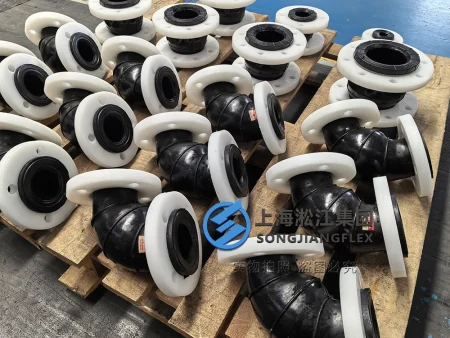
The CDU is the heart of whitespace fluid management. Installing compact, highly elastic rubber connectors at the inlet and outlet manifolds of the CDU isolates the internal heat exchanger from pump-induced vibration, preventing high-frequency harmonics from propagating into the server rows.
3.Primary Vertical Riser Pipe Manifolds
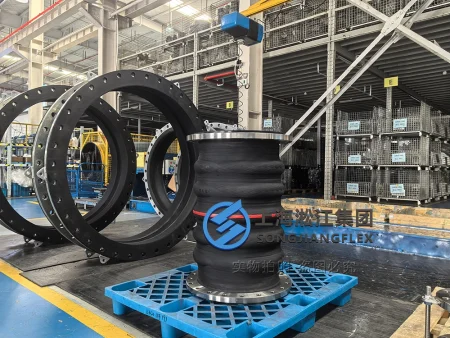
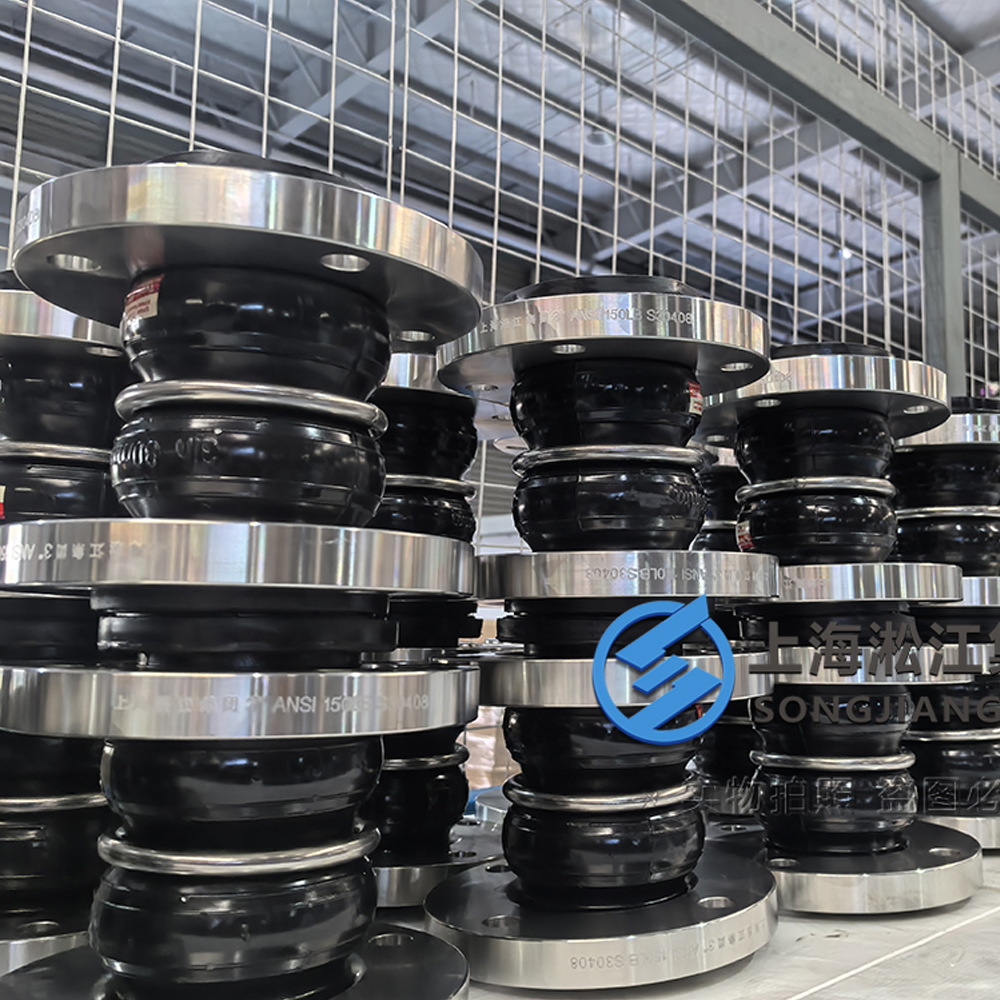
In multi-story data center architectures, vertical risers carry cold water to intermediate floors. These heavy vertical lines face extreme hydrostatic static loads and severe thermal elongation, necessitating dual-sphere or heavy-duty single-sphere flexible units to absorb cumulative axial growth.
The Ultimate Safeguard: Designing the Perfect Elastomeric Barrier for Liquid Cooling
- Next-Generation Polymer Formulations: To ensure absolute security next to server racks, mission-critical facility designers reject commercial-grade water joints. High-end data center infrastructures demand specialized peroxide-cured EPDM compounds that offer zero leaching, preventing deionized water contamination and resisting chemical additives used for biofilm prevention.
- Precision Anti-Explosion Re-enforcement: High-performance connectors utilize multi-layer, high-tensile synthetic fabrics embedded with solid steel wire retaining rings. This matrix offers a 4:1 safety factor against burst pressure, comfortably absorbing severe dynamic water hammer spikes during sudden valve actuations.
- Fail-Safe Control Rod Assemblies: To handle high static head pressures and unexpected pressure surges, these flexible units must be equipped with rigid structural control rods and limit tie rods. These metal assemblies act as mechanical limiters, preventing dangerous over-elongation and protecting adjacent copper or stainless steel manifolds from shear stress.