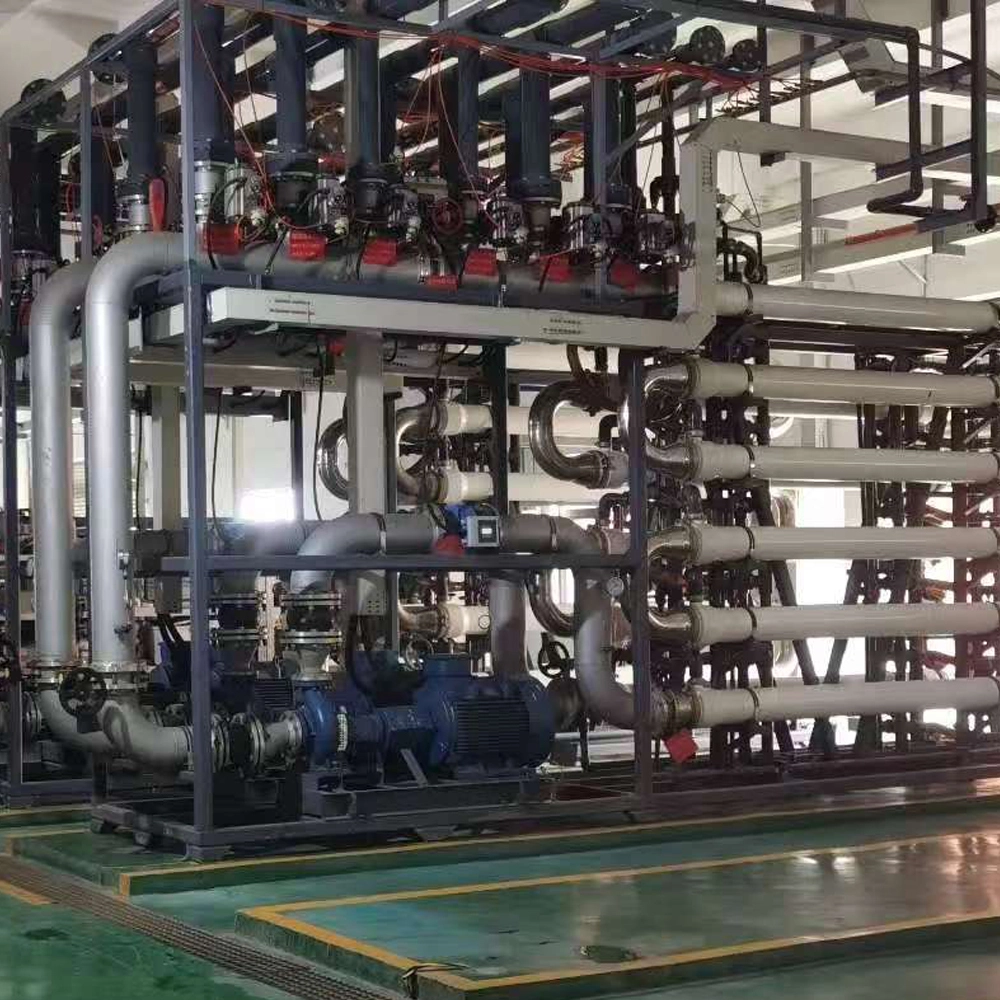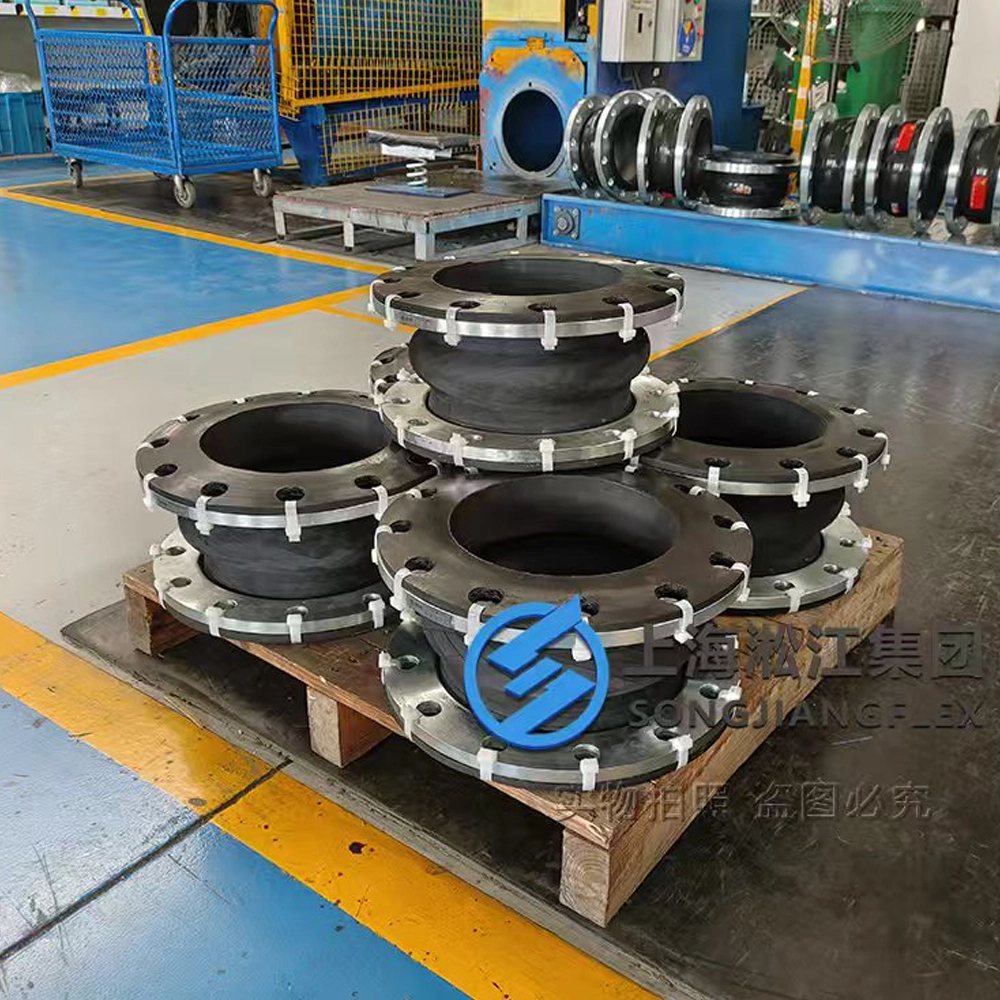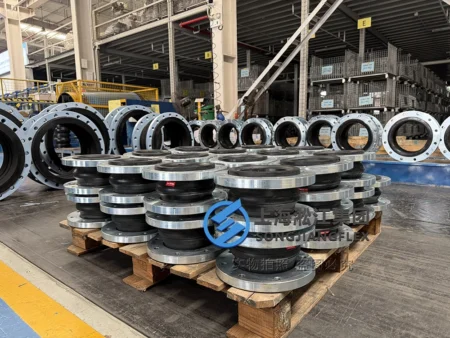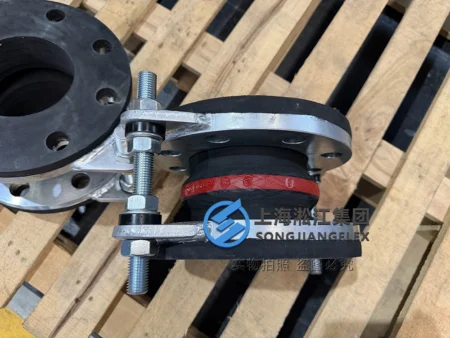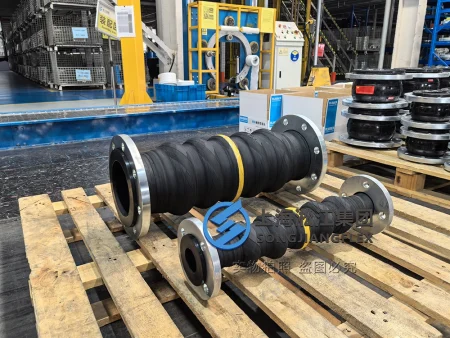
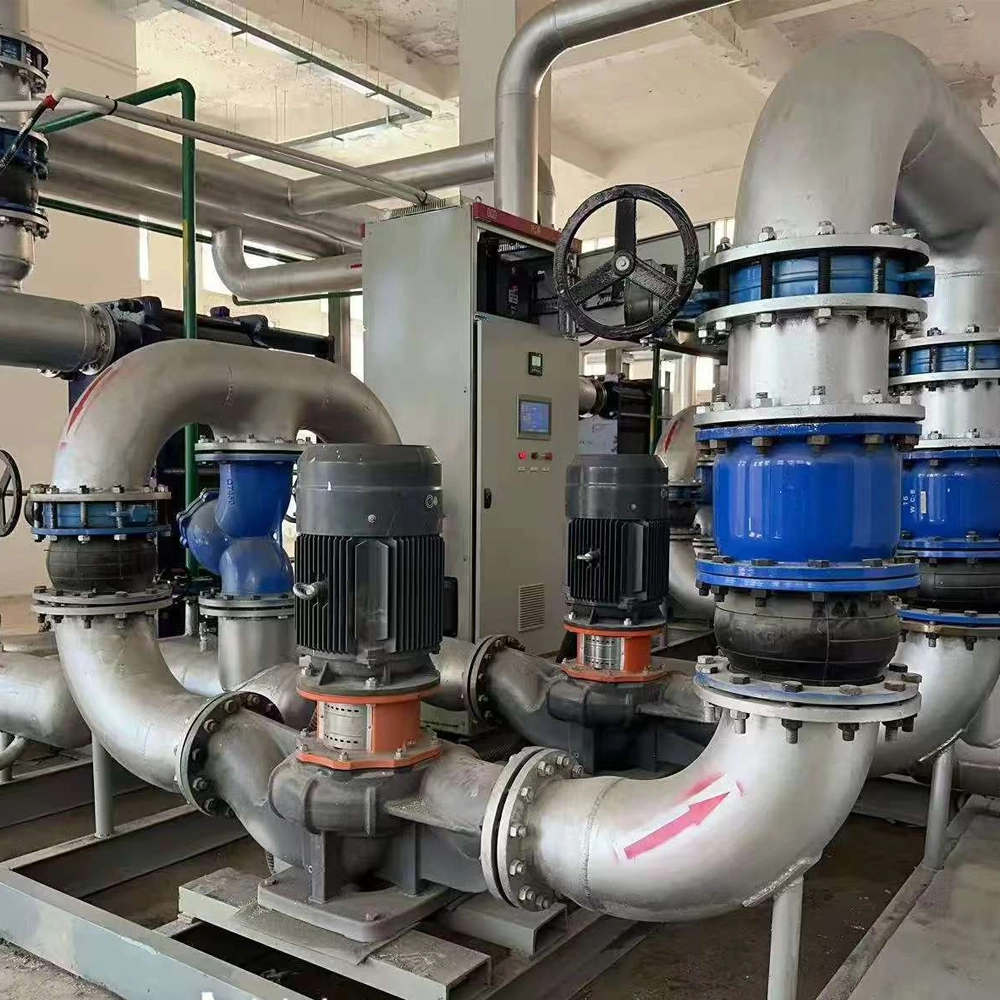
(Electrode boiler piping fitted with EPDM rubber expansion joints for continuous operation at temperatures up to 130°C.)
High-temperature piping systems require flexible connections that accommodate thermal movement and equipment vibration while maintaining sealing performance. Selecting a suitable rubber compound is essential to limiting heat-related degradation.
1. What Are High-Temperature Rubber Expansion Joints?
High-temperature rubber expansion joints are flexible connectors designed for piping systems operating at elevated temperatures.
They accommodate specified pipe movements and help reduce vibration transmission. Their operating limits depend on the rubber compound, reinforcement, pressure, conveyed medium, and joint construction.
The following temperature capabilities have been verified for the specified rubber compounds:
| Rubber Compound | Continuous Temperature | Short-Term Temperature |
|---|---|---|
| Special EPDM | Up to 130°C | Up to 150°C |
| HNBR | Up to 150°C | Up to 170°C |
These values apply to the specified compounds, not to all EPDM or HNBR products.
2. Why Are They Needed?
Elevated temperatures can accelerate rubber aging and increase thermal movement in connected pipework. Pumps and other equipment may also introduce vibration and pressure fluctuations.
A properly selected rubber expansion joint helps accommodate movement and reduce vibration transmission. The compound and joint construction must suit the actual temperature, pressure, and conveyed medium.
3. Where Are They Used?
Typical applications include:
- Hot-water systems: Boiler circulation, district heating, and hot-water pumps.
- Boilers and heat exchangers: Connections exposed to elevated temperatures and repeated heating cycles.
- Heat recovery systems: Compatible hot-water and water-glycol circuits.
- Oil piping: Compatible lubricating oils, hydraulic oils, and petroleum products.
- Industrial process piping: Applications requiring flexible connections under elevated-temperature conditions.
Direct steam and hot exhaust gas require separate technical assessment. Material selection must account for the conveyed medium and actual operating conditions.
4. How Are They Manufactured?
High-temperature rubber expansion joints require suitable rubber compounds, heat-resistant reinforcement, and controlled vulcanization.
Key manufacturing considerations include:
- Rubber Compounding: Preparing special EPDM or HNBR compounds for the specified operating temperatures and service conditions.
- Heat-Resistant Fabric Reinforcement: Using special heat-resistant reinforcement fabric to support the rubber bellows under elevated-temperature and pressure conditions.
- Forming and Vulcanization: Forming the bellows and vulcanizing the rubber and reinforcement layers into the required structure.
- Inspection and Testing: Checking dimensions, appearance, and specified performance requirements.
The rubber compound, reinforcement fabric, and overall joint construction must work together to meet the intended operating conditions. The temperature rating of the rubber compound alone does not establish the allowable pressure, movement, or service life of the complete expansion joint.