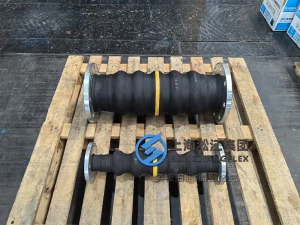
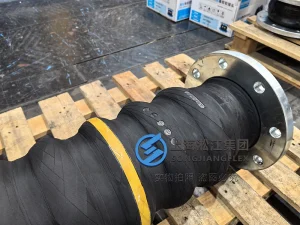
Hand-Built 5-Arch NBR Rubber Expansion Joint for Large Displacement Hydraulic Oil Pipeline Systems
Product Overview
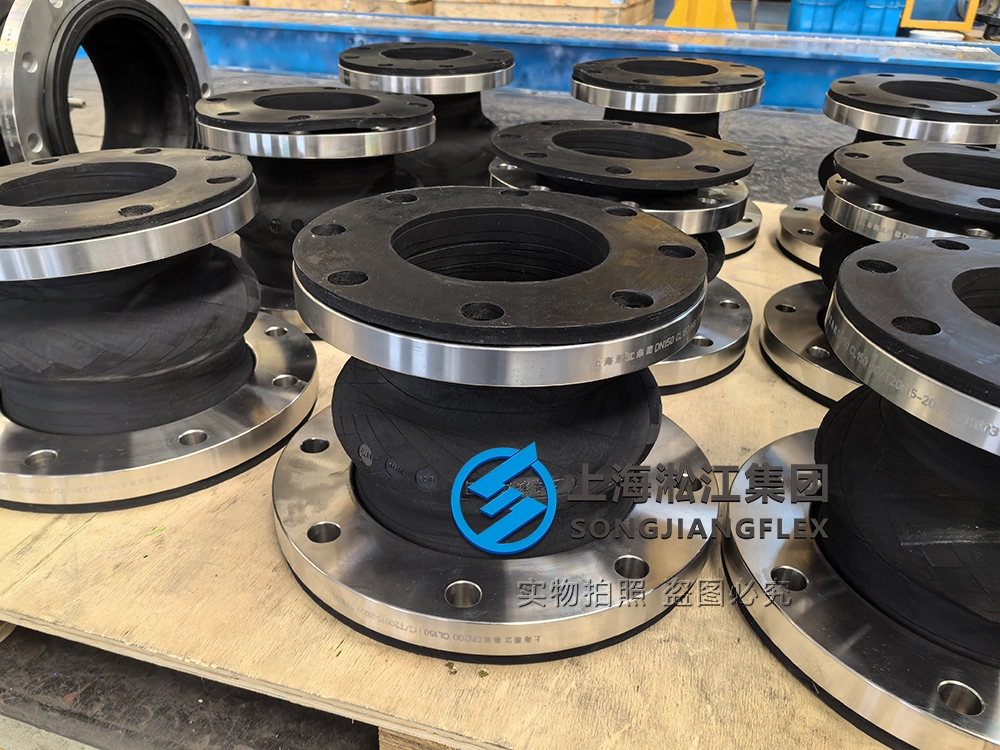
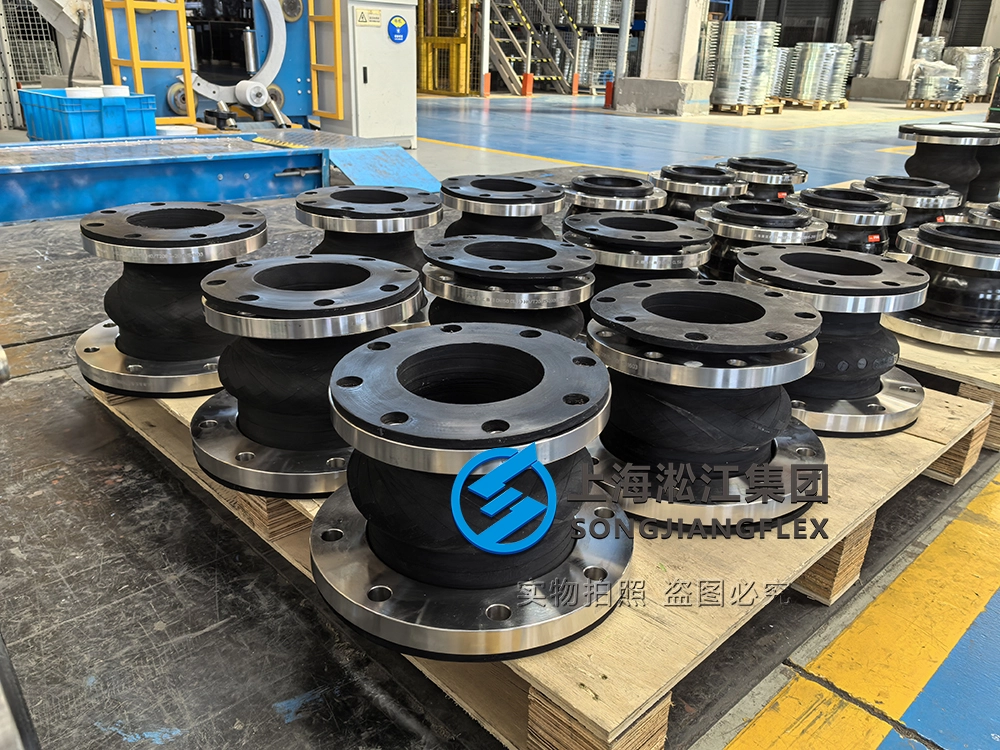
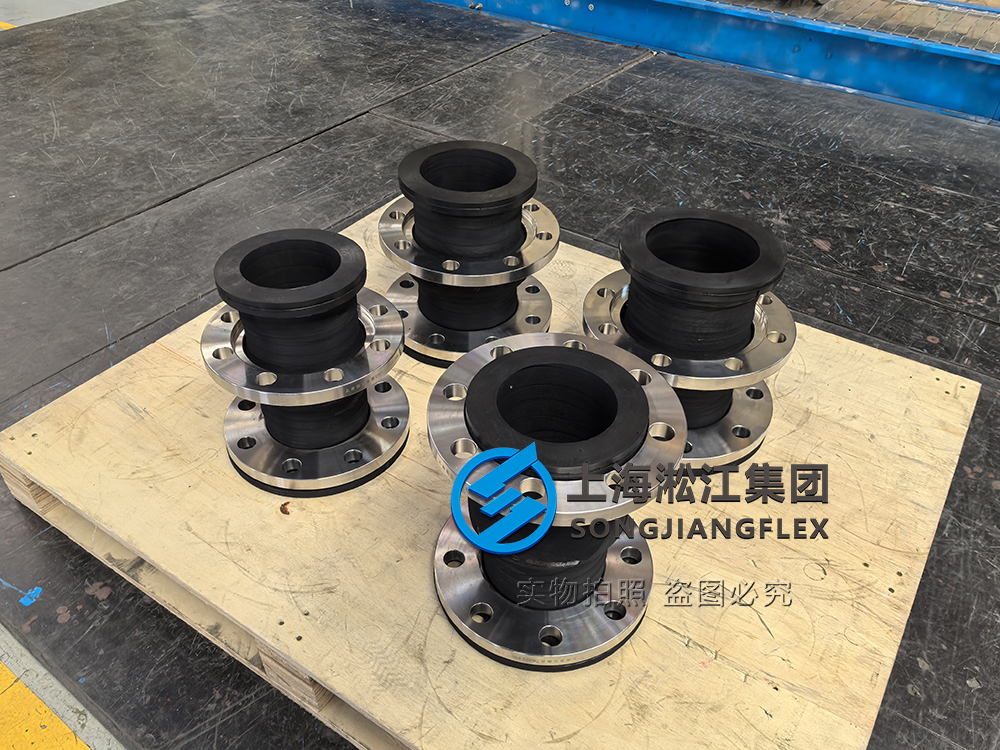
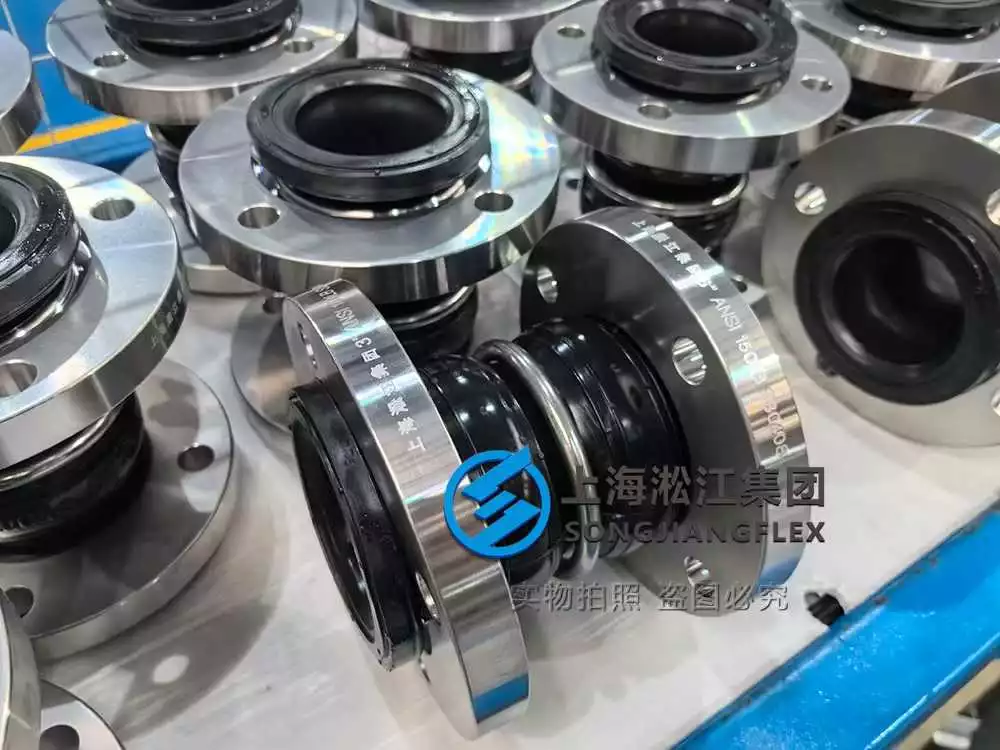
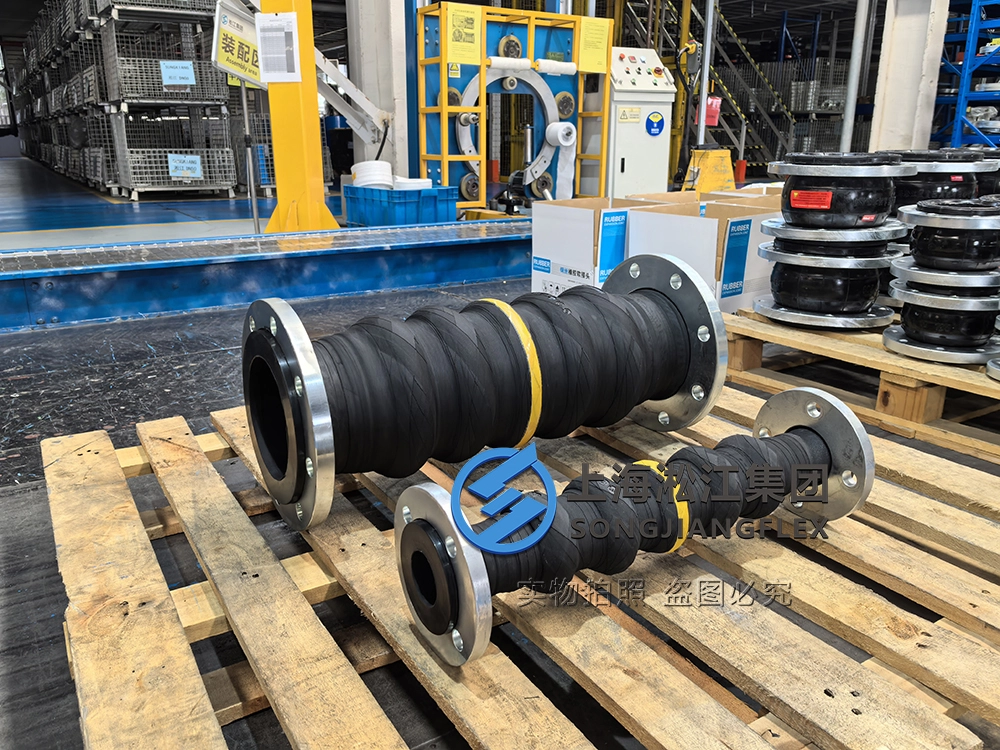
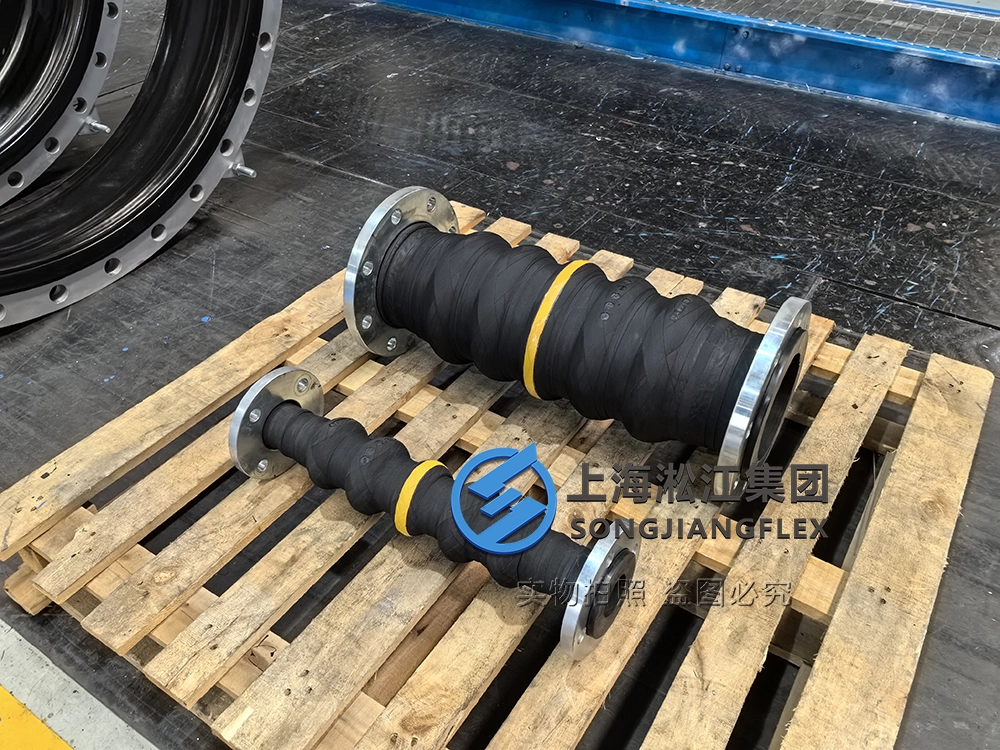
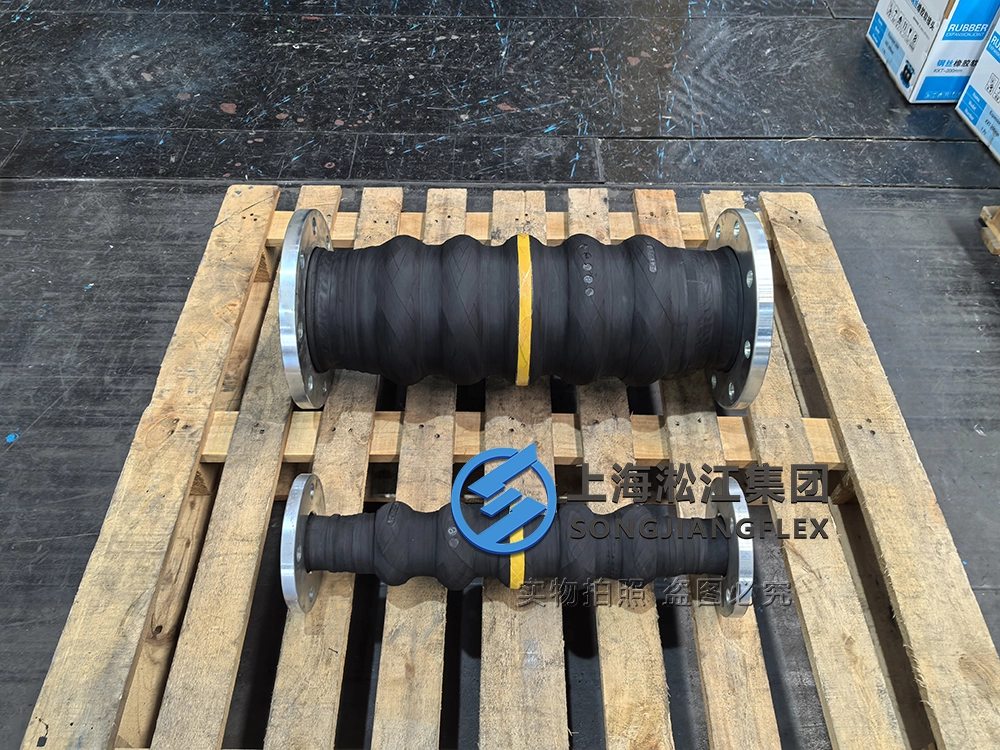
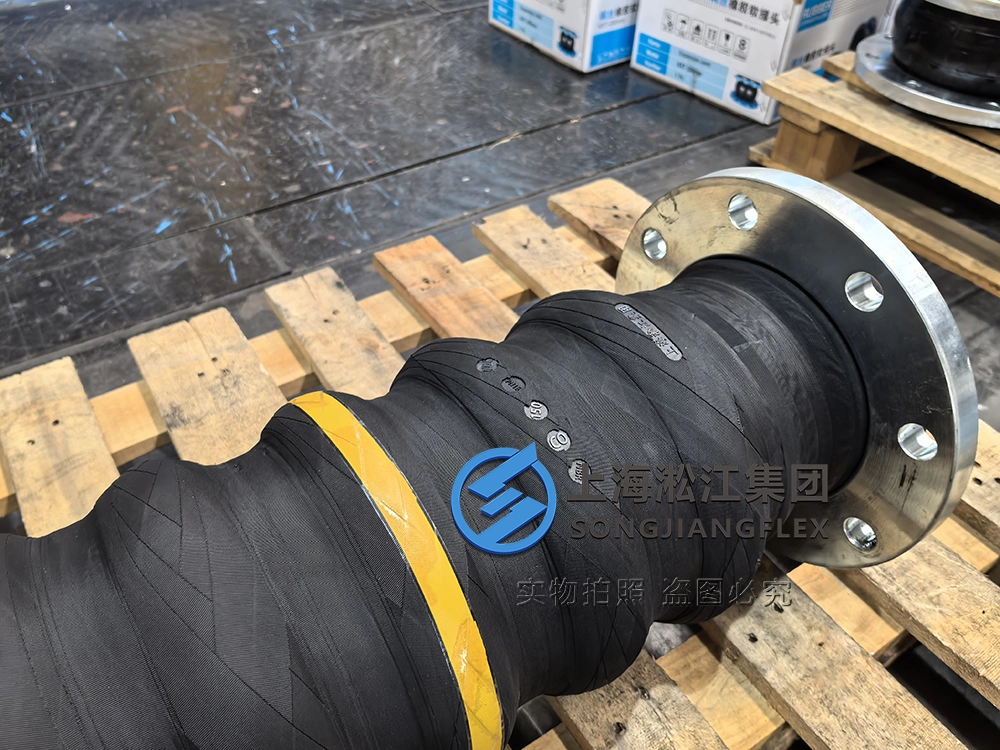
This product is a DN150 (6-inch) hand-built NBR rubber expansion joint with a 650mm overall length, featuring a customized 5-arch multi-bellow configuration, rotating carbon steel flanges, and ring face sealing structure.
Unlike conventional single-arch molded rubber joints, the multi-bellow design distributes pipeline movement across five independent flexible sections. This reduces local stress concentration and increases the joint’s ability to absorb axial, lateral, and angular displacement within a limited installation space.
The joint is specifically designed for hydraulic oil pipeline systems where vibration isolation, mechanical movement compensation, and long-term flexibility are required. The high-acrylonitrile NBR compound provides compatibility with mineral-based hydraulic oils at a continuous operating temperature of 55°C, while the hand-built reinforcement structure maintains the required pressure resistance under 1.0MPa working conditions.
This configuration is suitable for hydraulic pump stations, heavy machinery hydraulic systems, and industrial oil circulation networks where rigid piping connections are exposed to vibration, thermal movement, or equipment displacement.
The combination of multiple flexible arches, reinforced rubber construction, and rotating flange design allows the joint to accommodate complex pipeline movement while reducing mechanical loads transferred to connected equipment.
Key Features
Hand-Built 5-Arch Multi-Bellow Structure
Five independent rubber arches distribute pipeline movement across multiple flexible zones, increasing axial, lateral, and angular displacement capacity compared with standard single-arch designs.
High-Acrylonitrile NBR Rubber Compound
The NBR elastomer provides resistance against swelling, softening, and material degradation when continuously exposed to mineral hydraulic oils and petroleum-based fluids at 55°C.
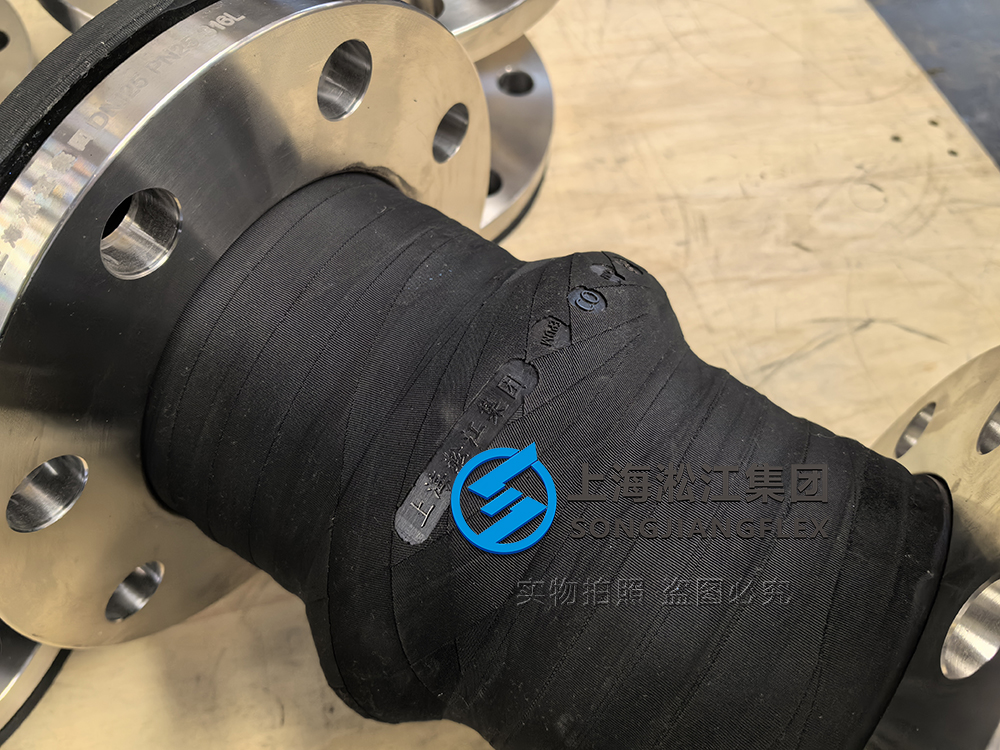
Layered Fabric Reinforced Rubber Body
The hand-built wrapping process allows reinforcement layers to follow the multi-arch geometry continuously, maintaining uniform structural strength and preventing excessive deformation under 1.0MPa operating pressure.
Rotating Carbon Steel Flanges
Floating flange design allows bolt-hole alignment adjustment before tightening, reducing installation stress transferred into the rubber bellows.
Ring Face Sealing Configuration
The compact sealing surface concentrates flange compression on the rubber sealing area, providing a controlled sealing interface without requiring separate gasket installation.
Applications & Equipment
Hydraulic Pump Station Piping
Installed on pump suction and discharge pipelines to isolate mechanical vibration and reduce dynamic loads transferred to connected equipment.
Heavy Machinery Hydraulic Systems
Used in hydraulic oil circulation systems where equipment movement and vibration can introduce stress into rigid piping.
Industrial Hydraulic Oil Networks
Applied in large hydraulic distribution pipelines requiring flexibility compensation and reduced pipeline stress.
Machinery Test Facilities
Suitable for hydraulic systems where repeated equipment operation creates cyclic movement and alignment variation.
Engineering FAQ
Why does this DN150 rubber expansion joint use a 5-arch design instead of a conventional single-arch structure?
A 5-arch configuration divides pipeline movement across multiple flexible sections instead of concentrating deformation in one rubber convolution.
For hydraulic oil systems exposed to vibration, equipment movement, or installation displacement, this structure reduces localized bending stress on the rubber body and provides greater movement capability within the same installation length.
The hand-built manufacturing process allows reinforcement layers to be accurately arranged along the complex multi-arch profile, maintaining consistent rubber thickness and structural support throughout the bellows.
Compared with a standard single-arch joint, the 5-arch design is selected when the primary engineering requirement is higher displacement absorption and vibration isolation rather than maximum compactness.